SSD Deals: NVMe Storage Price Drops
Updated 32 minutes ago
Affiliate Disclosure: As an Amazon Associate we earn from qualifying purchases. Some links may earn us a commission at no cost to you.
SSD pricing moves with NAND market cycles, which means the same drive can swing meaningfully in price within a month. The best time to buy is when a quality drive dips, not when a mediocre one advertises a discount. That is the whole premise of this page: every listing in our SSD deals feed is scored against its own 30-day price history, so a top spot here means the price genuinely fell. The feed is filtered to actual drives, with no enclosures, no standalone heatsink accessories, and no adapters padding the list.
The NVMe SSD deals below refresh throughout the day and cover the capacities builders actually shop in 2026, from 1TB boot drives to 4TB library drives. Check a listing's recent range before you commit; the ranking has already done the arithmetic.
Capacity pricing also isn't linear: 2TB models frequently undercut two 1TB drives, and 4TB deals are where the biggest per-gigabyte wins show up.
Price check: Storage Deals
- Tracking 8 live deals in this category right now.
- Best current deal: 37% off versus list price.
- Typical 30-day price swing on tracked items: $1.10–$200.00 (7 items with price history).
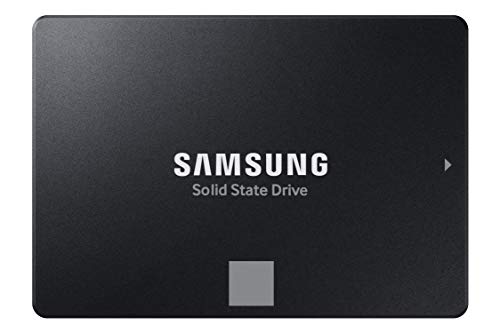


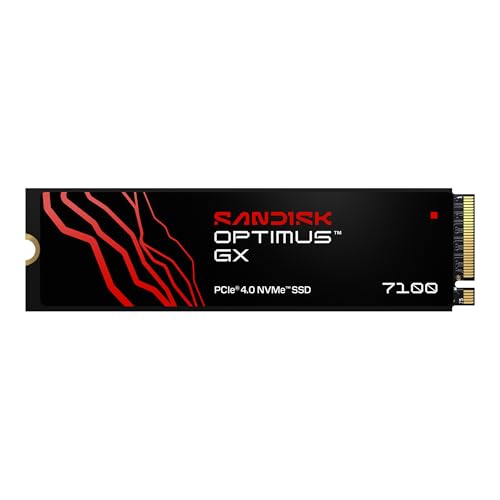
$7 below 30-day avg

$28 below 30-day avg
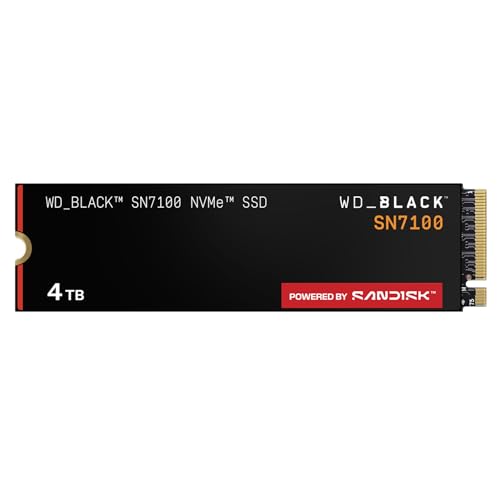
Filter
Brand
Price range
Buying advice
Getting the right drive, not just the cheapest one
- Compute price per gigabyte first. It's the one number that makes deals across capacities comparable, and it's how the rankings here are sanity-checked.
- For a gaming boot drive, any current PCIe 4.0 drive with a DRAM cache or a good HMB design is plenty; sustained-write specs matter mostly for content creation and large file transfers.
- A drive with a DRAM cache holds up better as it fills. Budget DRAM-less drives are fine as secondary game storage but can stutter as system drives once they're near capacity.
- Check the endurance (TBW) rating on very cheap drives. It's rarely a real-world constraint for gaming, but an unusually low rating is a tell for cut corners elsewhere.
When to wait
Flash prices run in multi-month cycles. When the market is falling, patience is rewarded; when it turns up, a good history-verified deal is worth grabbing because the next one may be higher.
SSD deal FAQs
Is a 2TB SSD worth it over 1TB?
Usually, yes. Modern game installs regularly exceed 100GB, and 2TB drives are frequently the best price per gigabyte in the lineup. If a 2TB deal on this page is within about 80% of double the 1TB price, the bigger drive is the better buy.
Do I need PCIe 5.0 for gaming?
No. Game load times are nearly identical between fast PCIe 4.0 and 5.0 drives, and 5.0 models run hotter and cost more. Put the difference toward capacity instead.
What is a good price per gigabyte for an NVMe drive?
It moves with the NAND market, which is why this page scores each drive against its own 30-day history instead of a fixed threshold — a deal appears when a drive is cheap relative to where it has actually been selling.
Are DRAM-less SSDs bad?
Not bad — situational. As a secondary game library drive they're a fine way to save money. As a heavily-used system drive, a model with DRAM (or a well-implemented HMB design) stays faster as the drive fills up.
How often do SSD prices change?
Constantly — flash is one of the most volatile PC component markets. The tracker refreshes throughout the day, and the savings percentages are computed against each drive's 30-day range so market-wide drift doesn't masquerade as a deal.