Affiliate Disclosure: As an Amazon Associate we earn from qualifying purchases. Some links may earn us a commission at no cost to you.

Best CPU for 1440p Gaming (2026): 5 Picks by GPU Tier
The best CPU for 1440p gaming in 2026 is the Ryzen 7 9800X3D, as long as it sits next to an RTX 5070 Ti, RX 9070 XT, or faster card. On an RTX 5070 or RX 9070, the Ryzen 7 9700X lands within a few frames in most AAA titles, so the savings belong in the GPU budget. At 1440p the GPU is heavy enough to matter but light enough that the CPU still moves real frames in cache-sensitive titles, which is why the pairing decides the pick.
Five picks below, segmented by GPU class and game library, plus a table that maps your GPU and refresh target to one chip. If you want the whole system spec'd around one of these chips, our 1440p high-FPS gaming build for a mid-range budget pairs a matching GPU, board, and memory kit end to end.
Our top pick: Ryzen 7 9800X3D
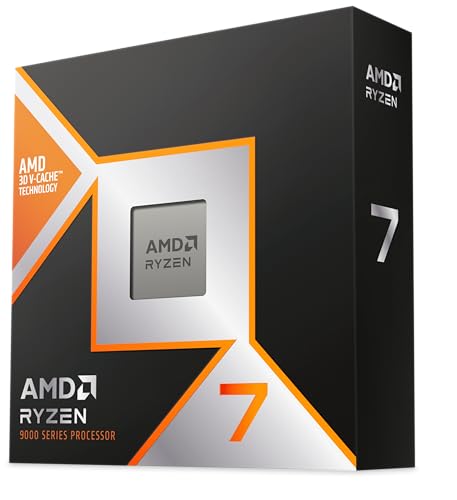
The Ryzen 7 9800X3D earns the crown for 1440p high-refresh gaming on a 5070 Ti, 9070 XT, or above. Zen 5 IPC plus the 2nd-gen 3D V-Cache layout (cache on the bottom now, better thermals than the 7800X3D) gives the cleanest 1% lows on the cache-sensitive titles where CPU pairing actually matters at this resolution.
Quick picks
Pick | CPU | Best for | Where to buy |
|---|---|---|---|
Best Overall | 1440p high-refresh on a 5070 Ti / 9070 XT or above | ||
Best Value | Cache-sensitive library on a 5070-tier or 9070-tier GPU | ||
Best Premium | 1440p flagship gaming plus serious productivity workloads | ||
Best Budget | 1440p AAA-mainstream gaming when X3D buys nothing visible | ||
Editor's Pick | Intel buyers who export video and need QuickSync |
Best Overall
- CPU
- Best for
1440p high-refresh on a 5070 Ti / 9070 XT or above
- Where to buy
Best Value
- CPU
- Best for
Cache-sensitive library on a 5070-tier or 9070-tier GPU
- Where to buy
Best Premium
- CPU
- Best for
1440p flagship gaming plus serious productivity workloads
- Where to buy
Best Budget
- CPU
- Best for
1440p AAA-mainstream gaming when X3D buys nothing visible
- Where to buy
Editor's Pick
- CPU
- Best for
Intel buyers who export video and need QuickSync
- Where to buy
Specs at a glance
CPU | Architecture | Boost Clock | TDP | Socket |
|---|---|---|---|---|
Zen 5 with 2nd-gen 3D V-Cache | 5.2 GHz | 120 W | AM5 | |
Zen 4 with 1st-gen 3D V-Cache | 5.0 GHz | 120 W | AM5 | |
Zen 5 with 2nd-gen 3D V-Cache (one CCD) | 5.7 GHz | 170 W | AM5 | |
Zen 5 | 5.5 GHz | 65 W (eco) / 105 W (PBO) | AM5 | |
Arrow Lake hybrid (P + E) | 5.5 GHz | 125 W base / 250 W MTP | LGA 1851 |
- Architecture
Zen 5 with 2nd-gen 3D V-Cache
- Boost Clock
5.2 GHz
- TDP
120 W
- Socket
AM5
- Architecture
Zen 4 with 1st-gen 3D V-Cache
- Boost Clock
5.0 GHz
- TDP
120 W
- Socket
AM5
- Architecture
Zen 5 with 2nd-gen 3D V-Cache (one CCD)
- Boost Clock
5.7 GHz
- TDP
170 W
- Socket
AM5
- Architecture
Zen 5
- Boost Clock
5.5 GHz
- TDP
65 W (eco) / 105 W (PBO)
- Socket
AM5
- Architecture
Arrow Lake hybrid (P + E)
- Boost Clock
5.5 GHz
- TDP
125 W base / 250 W MTP
- Socket
LGA 1851
Benchmarks
- Ryzen 7 9800X3D142 fps
- Ryzen 9 9950X3D142 fps
- Ryzen 7 7800X3D138 fps
- Ryzen 7 9700X136 fps
- Core Ultra 7 265K132 fps
1440p ultra preset, native rendering, no upscaling, paired with a 5070 Ti-class GPU. CPU delta compresses at 1440p ultra in Cyberpunk because the GPU is the binding constraint; the chips converge inside a few-frame band. Numbers class-tier inferred from Hardware Unboxed and GamersNexus 2026 cycle data.
- Ryzen 7 9800X3D480 fps
- Ryzen 9 9950X3D475 fps
- Ryzen 7 7800X3D440 fps
- Ryzen 7 9700X380 fps
- Core Ultra 7 265K360 fps
1440p high preset, no upscaling. CS2 rewards cache hit rate above all else, and the V-cache parts pull a real lead even at 1440p where most titles would be GPU-bound. Numbers class-tier inferred from Hardware Unboxed CS2 reviewer testing.
- Ryzen 7 9800X3D78 fps
- Ryzen 9 9950X3D78 fps
- Ryzen 7 7800X3D72 fps
- Ryzen 7 9700X56 fps
- Core Ultra 7 265K52 fps
1440p high preset, busy-hub conditions (heavy AI traffic at a major airport departure). MSFS 2024 is a cache and main-thread benchmark; the V-cache lead opens up sharply versus non-X3D Zen 5 and Arrow Lake. Numbers class-tier inferred from GamersNexus and Hardware Unboxed MSFS testing.
- Ryzen 7 9800X3D112 fps
- Ryzen 9 9950X3D112 fps
- Ryzen 7 7800X3D105 fps
- Ryzen 7 9700X88 fps
- Core Ultra 7 265K82 fps
1440p high preset, late-game massive battle with full unit count. Total War's per-unit AI cost is the workload V-cache was built for; the X3D chips clear the rest by 15 to 30 percent. Numbers class-tier inferred from Hardware Unboxed strategy-game benchmarks.
- Ryzen 7 9800X3D96 fps
- Ryzen 9 9950X3D96 fps
- Ryzen 7 7800X3D92 fps
- Ryzen 7 9700X90 fps
- Core Ultra 7 265K86 fps
1440p high preset, no path tracing, UE5 traversal scene. UE5 titles compress CPU deltas because the engine is GPU-heavy; the chips all sit within a 10-frame band at this resolution. Numbers class-tier inferred from Digital Foundry and TechPowerUp UE5 cycle reviews.
- Ryzen 7 9800X3D120 fps (1% lows)
- Ryzen 9 9950X3D120 fps (1% lows)
- Ryzen 7 7800X3D100 fps (1% lows)
- Ryzen 7 9700X78 fps (1% lows)
- Core Ultra 7 265K72 fps (1% lows)
1440p high preset, Act 3 Lower City dense NPC conditions. The 1% low gap between X3D and non-X3D is the most visible CPU-driven delta at 1440p, campaign averages disguise it. Numbers class-tier inferred from the same cache-sensitive reviewer basket as the rest of this article.
Do you really need a 9800X3D at 1440p?
Short answer: it depends on the GPU and the library. The Ryzen 7 9800X3D gets called the universal "best for 1440p" answer, but the honest answer is that the chip earns its tax only on a 5070 Ti, 9070 XT, or above paired with a library that has cache-sensitive titles. Below that tier the arithmetic flips toward platform cost, which is the question our CPU guide for the RX 9060 XT works through.
On a 5070 or 9070 pairing with an AAA-mainstream library at 1440p, the Ryzen 7 9700X produces the same playable frames in real play. The GPU is the binding constraint, not the cache. The savings buy a GPU tier upgrade, which actually moves frames the buyer can see. The Ryzen 7 7800X3D sits in the middle: same cache foundation as the 9800X3D at lower clocks and older IPC, ideal for the buyer who wants the X3D wedge without the 9800X3D spend. Step up to an RTX 5080 and the calculus shifts again, which is what our CPU picks for the RTX 5080 cover in detail.
The library question is the second axis. Sim racing, flight simulators, strategy 4X, MMOs in raid content, Escape from Tarkov, and competitive shooters chasing the absolute frame ceiling on a flagship GPU all love the stacked L3 cache regardless of resolution. Modern AAA shooters at 1440p high, console-port action games, racing, and most launch-window titles are GPU-bound; the cache wins nothing visible. That library split is the whole decision, and our guide to X3D vs non-X3D for gaming sorts it into three player types with a named pick for each.
Best CPU for 1440p gaming by GPU tier
Your setup | GPU class | Pick | Where to buy |
|---|---|---|---|
1440p 60 to 100 Hz, mainstream AAA | RTX 5060 Ti / RX 9060 XT | ||
1440p 144 Hz, modern AAA library | RTX 5070 / RX 9070 | ||
1440p 144 Hz, sims, strategy, or MMOs | RTX 5070 / RX 9070 | ||
1440p 165 to 240 Hz high refresh | RTX 5070 Ti / RX 9070 XT or above | ||
1440p gaming plus streaming, rendering, or compiling | RTX 5080 class | ||
1440p gaming plus Premiere or DaVinci exports | RTX 5070 class or above |
1440p 60 to 100 Hz, mainstream AAA
- GPU class
RTX 5060 Ti / RX 9060 XT
- Pick
- Where to buy
1440p 144 Hz, modern AAA library
- GPU class
RTX 5070 / RX 9070
- Pick
- Where to buy
1440p 144 Hz, sims, strategy, or MMOs
- GPU class
RTX 5070 / RX 9070
- Pick
- Where to buy
1440p 165 to 240 Hz high refresh
- GPU class
RTX 5070 Ti / RX 9070 XT or above
- Pick
- Where to buy
1440p gaming plus streaming, rendering, or compiling
- GPU class
RTX 5080 class
- Pick
- Where to buy
1440p gaming plus Premiere or DaVinci exports
- GPU class
RTX 5070 class or above
- Pick
- Where to buy
Every row assumes a modern AAA library unless it names cache-sensitive titles. If your install list leans on sims, strategy, MMOs, or Tarkov, move one step up the X3D ladder: the 9700X becomes the 7800X3D, and the 7800X3D becomes the 9800X3D once the GPU can feed it.
How we picked
Four questions drive the 1440p CPU pick.
**What GPU are you pairing?** 1440p is heavily GPU-bound on a 5060 or 9060, mostly GPU-bound on a 5070 or 9070, increasingly CPU-aware on a 5070 Ti or 9070 XT, and meaningfully CPU-aware on a 5080, 9080, or 5090. The CPU pick scales with the GPU tier, the 9800X3D earns its tax only when the GPU can use it. See the 1440p GPU shortlist for the GPU side of the pairing.
**What does your library look like?** Cache-sensitive titles (sims, strategy, MMOs, Tarkov, competitive shooters at high refresh) reward X3D regardless of GPU because the cache wins 1% lows. AAA-mainstream library (modern shooters, racing, action-adventure, console ports) is GPU-bound at 1440p and X3D buys nothing visible on a mid-tier GPU. Run a fast inventory of the actual install list before specifying.
**What's your refresh target?** 1440p 60 Hz with a midrange GPU is GPU-bound territory; any modern 8-core does the job. 1440p 144 Hz starts to ask for the cache wedge when the GPU can deliver the frames. 1440p 240 Hz competitive on a 5080 or 9080-class GPU is where the 9800X3D earns its keep, that scenario is the one place the X3D tax pays for itself unambiguously.
**Do you also export video, compile code, or render at volume?** If yes, the 9950X3D opens up real productivity headroom over the 9800X3D, or the 265K is the answer for QuickSync-heavy workflows. If the answer is "I occasionally edit YouTube clips in CapCut," the productivity bump is invisible and the dual-CCD layout is wasted spend.
The cluster-level framework for CPU and motherboard pairing across all builds lives in the CPU and motherboard pillar.
Best Overall: Ryzen 7 9800X3D
Specs
Spec | Value |
|---|---|
Architecture | Zen 5 with 2nd-gen 3D V-Cache |
Cores / Threads | 8 / 16 |
Boost Clock | 5.2 GHz |
TDP | 120 W |
Socket | AM5 |
Architecture
- Value
Zen 5 with 2nd-gen 3D V-Cache
Cores / Threads
- Value
8 / 16
Boost Clock
- Value
5.2 GHz
TDP
- Value
120 W
Socket
- Value
AM5
What it does well
The 9800X3D pairs Zen 5 IPC with the cache layout that wins cache-sensitive workloads. In MSFS 2024 busy hubs, Total War Warhammer 3 late-game battles, Stellaris late-game ticks, Cities Skylines 2 dense networks, Escape from Tarkov raids, and WoW raid pulls, the cache hit rate keeps the 1% lows pinned where Zen 5 non-X3D parts compress. At 1440p high refresh on an RTX 5070 Ti or RX 9070 XT, that translates to smoother frame pacing in the exact scenarios that make a 165 Hz monitor feel like a 165 Hz monitor rather than a wobbling average.
The 2nd-gen layout is also thermally cleaner than the 7800X3D. Reports suggest the cache stack is now on the bottom of the die rather than between cores and the IHS, which lets heat escape upward without the cache layer acting as a thermal blanket. The chip handles sustained gaming load on a Peerless Assassin or a 240 mm AIO without thermal throttle, where the 7800X3D's thermals could get tight under the same conditions.
PBO works on the 9800X3D. The 7800X3D was locked, which capped tuning headroom. PBO on the 9800X3D doesn't transform the chip, but it gives buyers a single-percent boost knob and the platform tail to take advantage of memory overclocking and curve optimization as later AGESA updates land.
The Socket AM5 platform offers a real upgrade runway. AMD has committed AM5 through 2027 and beyond, which means the right B850 or X870 board carries the buyer through the next CPU generation without a platform jump.
What you give up
The tax at this slot is real. The buyer who pairs a 9800X3D with an RTX 5070 or RX 9070 at 1440p doesn't see the cache benefit, the GPU is the binding constraint, and the 9700X produces the same frames at meaningfully less spend. Pairing rules matter; the 9800X3D earns its tax on a 5070 Ti, 9070 XT, or above. Below that line, the savings should go to the GPU. If that describes your build, our guide to whether you need an X3D CPU for gaming runs the same test at three price tiers before you commit.
The 8-core ceiling is the second compromise. Buyers who export Premiere projects daily, compile codebases at volume, or run Blender renders should look at the Ryzen 9 9950X3D, the second CCD adds 8 more cores at full clock for parallel workloads without giving up the X3D gaming wedge.
Cooling needs to be real. The 120 W TDP rating sells the chip as easy to cool, but sustained load on a sim or strategy title with all-core boost engaged pulls past that number. A budget tower cooler in the Peerless Assassin 120 SE class or a 240 mm AIO is the practical floor; anything below that risks thermal throttle on long sessions.
Who it's for
A 1440p 144 Hz to 240 Hz player on a flagship or near-flagship GPU (5070 Ti / 9070 XT and up) whose library includes any meaningful slice of sim racing, flight simulation, strategy, MMOs at scale, Tarkov, or competitive shooters at high refresh. The buyer who's willing to spend at the top of the chip tier to never think about CPU bottleneck again across the next couple of GPU generations. If the 9070 XT is the card in question, the CPU pairing guide for the RX 9070 XT walks the same decision from the card's side, including the resolution where the CPU gap closes.
Best Value: Ryzen 7 7800X3D

Specs
Spec | Value |
|---|---|
Architecture | Zen 4 with 1st-gen 3D V-Cache |
Cores / Threads | 8 / 16 |
Boost Clock | 5.0 GHz |
TDP | 120 W |
Socket | AM5 |
Architecture
- Value
Zen 4 with 1st-gen 3D V-Cache
Cores / Threads
- Value
8 / 16
Boost Clock
- Value
5.0 GHz
TDP
- Value
120 W
Socket
- Value
AM5
What it does well
The 7800X3D's cache foundation is the same one that makes the 9800X3D the gaming-CPU crown. Reviewer testing across the cache-sensitive basket consistently shows the 7800X3D landing within a handful of percent of the 9800X3D in MSFS 2024, Total War Warhammer 3 late-game, Stellaris late-game, Tarkov, and WoW. At 1440p on a 5070 or 9070-tier GPU, that gap is invisible in real play, the GPU is binding most scenarios, and the cache wedge wins exactly when it matters (1% lows in cache-heavy workloads).
The gaming-load TDP is the underrated win. Despite the 120 W rating, the chip typically pulls 45 to 70 W in actual gameplay, which means cooling demand under gaming sessions is modest. A budget dual-tower air cooler clears it without drama; a low-noise 240 mm AIO is overkill for gaming-only loads.
Platform compatibility is wide. Any AM5 board with a current BIOS handles the chip, the bare minimum is a competent B650 with a real VRM, though stepping up to a B850 unlocks PCIe 5.0 NVMe and Wi-Fi 7 on a reasonable budget.
What you give up
The locked multiplier is the structural compromise. No PBO, no curve optimization, no overclocking headroom. What's on the box is what the chip does, period. Buyers who like to tune lose that knob entirely.
Clocks trail the 9800X3D by 200 MHz on boost. In productivity workloads where single-thread speed matters (compile, Premiere export passes, Lightroom batches), the 9800X3D pulls a real lead because the X3D part of the 7800X3D doesn't help. The 7800X3D is a pure gaming chip; productivity-curious buyers should look elsewhere.
Thermals under heavy sustained productivity load can get tight. The cache stack sits on top of the cores in the 1st-gen layout, which acts as a thermal blanket. Gaming load doesn't trip this; sustained productivity workloads can, a 240 mm AIO or top-tier air is the practical floor when the chip will see all-core work.
Stock fragility at late-cycle pricing is real. Reports suggest sale listings come and go week to week, and the chip sometimes lists well above the value tier. Buyers watching for a deal should verify at the click rather than expecting a stable listing. That late-cycle availability question is the whole ballgame for this chip now, and our 2026 verdict on the Ryzen 7 7800X3D covers who should buy at clearance and who should wait.
Who it's for
The 1440p high-refresh AAA plus cache-sensitive library mix on a 5070 or 9070-tier GPU pairing. The budget-conscious buyer who wants the X3D wedge without paying for the 9800X3D's clock and tuning premium. The buyer who values gaming-only performance and doesn't run productivity workloads at volume. If the card in question is AMD's cut-down GRE rather than the full RX 9070, the best CPUs for the RX 9070 GRE runs the same pairing math against a 12 GB buffer and lands a rung lower.
Best Premium: Ryzen 9 9950X3D

Specs
Spec | Value |
|---|---|
Architecture | Zen 5 with 2nd-gen 3D V-Cache (one CCD) |
Cores / Threads | 16 / 32 |
Boost Clock | 5.7 GHz |
TDP | 170 W |
Socket | AM5 |
Architecture
- Value
Zen 5 with 2nd-gen 3D V-Cache (one CCD)
Cores / Threads
- Value
16 / 32
Boost Clock
- Value
5.7 GHz
TDP
- Value
170 W
Socket
- Value
AM5
What it does well
The 9950X3D is the only chip on the market that solves the gaming-versus-productivity choice in one socket. Two CCDs, one with the X3D cache layer for gaming and one with full clocks for parallel workloads, with AMD's scheduler routing games to the X3D side automatically. At 1440p the gaming side matches the 9800X3D within margin of error; the productivity side adds 8 more cores at high clock for Premiere project exports, DaVinci timelines, Blender renders, code compile workloads, and parallel container work running in the background while gaming.
Streaming workflows benefit directly. The cache CCD handles the game; the full-clock CCD handles x264 encode without compromising gaming frame rate. Buyers who stream from a single box have historically had to choose between a gaming CPU and an encode CPU; the 9950X3D collapses that decision.
The platform headroom is the same AM5 socket runway as the 9800X3D, through 2027 and beyond. The 16-core CCD layout is what AMD will build the next generation of high-end SKUs on, so the platform tail is genuinely long.
What you give up
Spend. The 9950X3D is at the top of the AM5 chip tier, and the chip itself doesn't make a 5070 Ti faster. The buyer who isn't running real productivity workloads at volume is paying for cores that sit at 2 percent utilization while gaming.
The dual-CCD layout has scheduler edge cases. Reports suggest a handful of titles at launch had games landing on the non-X3D CCD instead of the cache CCD, which dropped the chip behind the 9800X3D in those specific titles until Windows scheduler and driver updates closed the gaps. Most of those edge cases have resolved, but a buyer who plays a niche or older title should sanity-check that the title is on the patched scheduler path.
Sustained 16-core workloads pull real power. The 170 W TDP rating is the rated number; under all-core boost the package can exceed it. Cooling demand jumps from "240 mm AIO is fine for gaming" to "280 or 360 mm AIO is the floor when the full chip is loaded."
Motherboard floor is real. The chip wants a board with a proper VRM design, the MSI B850 Tomahawk MAX, Gigabyte B850 Aorus Elite, or Asus ROG Strix B850-F class. A budget B650 will throttle under sustained 16-core load even though socket compatibility is fine. The cluster-level VRM-floor rule holds firm here: anything sub-mainstream-B850 is the wrong call for a 16-core chip.
Who it's for
The 1440p flagship gamer who also exports video, compiles, or renders at real volume. The productivity-curious buyer who's been eyeing Threadripper and needs to be talked back to AM5, the 9950X3D is more than enough for almost every workflow short of 32-thread sustained renders. The streamer running gaming plus encode on one box. If that is your build, the rendering-cores-versus-cache split is the whole decision. Our guide to the best CPUs for video editing and gaming ranks five chips by how much of your week lives in the timeline versus the game.
Best Budget: Ryzen 7 9700X

Specs
Spec | Value |
|---|---|
Architecture | Zen 5 |
Cores / Threads | 8 / 16 |
Boost Clock | 5.5 GHz |
TDP | 65 W (eco) / 105 W (PBO) |
Socket | AM5 |
Architecture
- Value
Zen 5
Cores / Threads
- Value
8 / 16
Boost Clock
- Value
5.5 GHz
TDP
- Value
65 W (eco) / 105 W (PBO)
Socket
- Value
AM5
What it does well
The 9700X carries Zen 5 IPC into the value tier of the AM5 enthusiast lineup. At 1440p paired with an RTX 5070, RX 9070, or RTX 5070 Ti on an AAA-mainstream library, the gaming gap to the 7800X3D and 9800X3D is single-digit percent and invisible in real play. The cache wedge only matters when the GPU isn't the binding constraint; at this pairing, the GPU is binding the scenarios that aren't cache-sensitive, and the cache-sensitive scenarios aren't where the buyer plays. If the card in question sits a tier below, the best CPUs for the RTX 5070 Ti follow the same resolution-scaled logic.
The extra cores over the 9600X buy real multitasking headroom. Running a stream encoder in the background, keeping a browser open with discord and a music player, light Lightroom batches between gaming sessions, that workload mix doesn't bottleneck the way it would on a 6-core. The 9700X clears it without sweating the thread budget.
PBO unlocks meaningful boost headroom on this chip. Default 65 W eco mode is genuinely 65 W, which makes the chip easy to cool. With PBO engaged and a proper cooler attached, the chip pulls into 105 W territory and delivers single-percent gaming gains plus more sustained boost in productivity workloads. The knob exists; the buyer decides whether to use it.
Pairing economics are clean. The chip lands on a B850 board with DDR5-6000 EXPO without drama. The whole CPU plus motherboard plus RAM stack is meaningfully cheaper than the X3D chips, which is the point.
What you give up
The cache wedge. If any meaningful slice of the library is sim racing, flight simulation, strategy late-game, MMO raid content, Tarkov, or 1080p high-refresh competitive shooters chasing the frame ceiling, the 7800X3D or 9800X3D pulls a real lead in those specific scenarios. The 9700X loses cleanly to the X3D parts in cache-sensitive testing; that's the architecture, not the implementation.
Gaming uplift over the cheaper Ryzen 5 9600X is small at 1440p. The extra cores buy productivity and multitasking headroom, not frames. Buyers who don't multitask while gaming and don't run light productivity should look at the 9600X over the 9700X, the math favors saving the difference and putting it into the GPU tier.
Thermals are easy in eco mode but tighten with PBO. Default 65 W is comfortable on a budget cooler. PBO with sustained load pushes cooling demand toward a Peerless Assassin 120 SE or budget 240 mm AIO as the practical floor.
Who it's for
The 1440p AAA-mainstream player on a 5070-tier or 9070-tier GPU whose library is mostly modern shooters, racing, action-adventure, and console-port AAA. The buyer who runs the occasional productivity workload but doesn't game alongside a Premiere render. The build budget is mid-tier, and the savings versus an X3D chip go to a better GPU or panel. Buyers landing a tier below on the GPU side should read the CPU pairing guide for the RTX 5060 Ti instead, since that card changes the answer at 1440p.
Editor's Pick: Core Ultra 7 265K

Specs
Spec | Value |
|---|---|
Architecture | Arrow Lake hybrid (P + E) |
Cores / Threads | 20 (8P + 12E) / 20 |
Boost Clock | 5.5 GHz |
TDP | 125 W base / 250 W MTP |
Socket | LGA 1851 |
Architecture
- Value
Arrow Lake hybrid (P + E)
Cores / Threads
- Value
20 (8P + 12E) / 20
Boost Clock
- Value
5.5 GHz
TDP
- Value
125 W base / 250 W MTP
Socket
- Value
LGA 1851
What it does well
The 265K's QuickSync media engine is the load-bearing reason it earns this slot. Intel's H.264 and H.265 hardware encode is still meaningfully better than AMD's encoder for Adobe Premiere, DaVinci Resolve, and OBS x265 streaming workflows. Buyers who export video at real volume, daily project exports for client work, weekly long-form YouTube uploads, streaming where x265 encode quality matters, get a workflow win that AMD doesn't match at any AM5 tier.
The 20-core hybrid layout pulls real numbers in mainstream Premiere project exports and DaVinci timelines. Reviewer testing shows the chip clearing 8-core AMD parts in core-bound productivity workloads; the productivity case for Arrow Lake is genuine when the workload uses the cores.
Idle power on Arrow Lake is competitive with AM5. The earlier ring-bus penalty that hurt 12th and 13th-gen Intel chips in light idle scenarios is closed; the chip runs cool when it's not under load.
Platform features lean Intel: more Thunderbolt 4 and Thunderbolt 5 native on Z890 boards than on AM5 at the same board price tier, native USB4 wider availability, and PCIe lane bifurcation flexibility for buyers who want a capture card plus GPU plus M.2 array.
What you give up
Pure gaming math at 1440p. Reviewer testing shows the 265K trails the 9800X3D by meaningful margins in cache-sensitive titles and trails the 9700X by single-digit percent in CPU-binding AAA. Arrow Lake launched with real gaming regressions versus 14th-gen Raptor Lake; reports suggest rebench updates moved the needle some, but the chip still trails AM5 in cache-heavy and CPU-binding scenarios at 1440p.
LGA 1851 has no announced upgrade runway. The socket looks one-and-done in the same shape LGA 1700 ended up, the buyer who values platform tail should weigh that against the gaming-side compromises. AM5 is committed through 2027 and beyond; LGA 1851's roadmap stops at the next refresh.
Motherboard floor is high. The cluster-level VRM rule flags a budget Z890 board as the wrong call for the 265K, Arrow Lake's transient power spikes past 250 W punish weak VRM designs. The MSI Z890 Tomahawk WiFi, Asus ROG Strix Z890-A, or Gigabyte Z890 Aorus Elite class is the practical floor; below that, the chip throttles or stutters under sustained productivity load.
Cooling demand is high. The 250 W maximum turbo number is real. A 280 mm AIO is the practical floor for sustained productivity workloads; a 360 mm AIO or top-tier air like the D15 G2 is the comfortable spec.
LGA 1851 retention is new. Existing LGA 1700 coolers may need a retention bracket adapter; the buyer should verify compatibility before assuming an old cooler carries over.
Who it's for
The 1440p gamer who also exports video at real volume and wants QuickSync without paying for a 285K. The Intel-committed buyer who already owns a Z890 board and a DDR5 kit and wants to move within the Intel ecosystem. The buyer who specifically refuses to switch ecosystems and accepts the gaming compromise for the productivity wins.
Bottom line
If your GPU is a 5070 Ti, 9070 XT, or above and you play any meaningful slice of cache-sensitive titles, buy the Ryzen 7 9800X3D. If your library is cache-sensitive and the budget is tight, the Ryzen 7 7800X3D gets you the X3D wedge for less. If you also export video, compile, or render at volume, the Ryzen 9 9950X3D covers gaming and productivity in one socket. If your GPU is a 5070 or 9070 and your library is AAA-mainstream at 1440p, the Ryzen 7 9700X saves you the X3D tax and the savings go to a better GPU. If you need QuickSync or you're committed to Intel, the Core Ultra 7 265K is the answer at the cost of some gaming margin.
The honest framing is that no single chip wins for every 1440p buyer. Pair the chip to the GPU and the library, not to the listicle ranking.
FAQ
Do I really need a Ryzen 7 9800X3D at 1440p, or is a Ryzen 7 9700X enough?
It depends on the GPU and the library. With a 5070 Ti, 9070 XT, or above and any meaningful slice of cache-sensitive titles (sims, strategy, MMOs, Tarkov, competitive shooters), the 9800X3D earns its tax in 1% lows and frame pacing. With a 5070 or 9070 on an AAA-mainstream library, the 9700X produces the same playable frames at 1440p in real play; the GPU is binding everything the cache could help. The 9700X is the smarter pick in that pairing.
Is the Ryzen 7 7800X3D still worth buying in 2026 versus the 9800X3D?
Yes, when the late-cycle price gap is real. The 7800X3D delivers the same 96 MB of L3 cache foundation as the 9800X3D and lands within a few percent in cache-sensitive workloads at 1440p. It gives up PBO support (locked multiplier), slightly lower boost clocks, and runs warmer under heavy sustained load. For a gaming-only buyer who wants the X3D wedge without the 9800X3D spend, it's still the value pick when stock is available at the price gap.
Will a Ryzen 7 9800X3D bottleneck my GPU at 1440p?
No, the 9800X3D won't bottleneck any GPU at 1440p; the question is whether the GPU bottlenecks the 9800X3D. On a 5070 or 9070-class card at 1440p, the GPU is the binding constraint in most modern AAA titles, which means the chip is sitting on headroom in those scenarios. That's fine, the cache still wins 1% lows in cache-sensitive workloads, and there's no downside to the spend other than the spend itself.
Is the Core Ultra 7 265K a good 1440p gaming CPU compared to AMD?
In pure gaming math, no, the 265K trails the 9800X3D meaningfully in cache-sensitive titles and trails the 9700X by single-digit percent in CPU-binding AAA. The chip earns its slot for buyers who specifically need QuickSync hardware encode for Premiere or DaVinci workflows, who want native Thunderbolt 4 and 5 on the board, or who are already committed to the Intel ecosystem. For a pure 1440p gaming rig with no productivity workload, AM5 wins the math.
What CPU should I pair with an RTX 5070 Ti or RX 9070 XT for 1440p high-refresh gaming?
The Ryzen 7 9800X3D is the strongest pairing for a 5070 Ti or 9070 XT at 1440p 144 Hz or above. The GPU is fast enough that the CPU starts to matter in cache-sensitive scenarios, and the X3D layout puts 1% lows where the panel can use them. The 7800X3D is the budget version of the same answer; the 9700X is acceptable if the library has zero cache-sensitive titles, but most buyers at this GPU tier are looking at libraries that include at least some workloads the cache helps.
Does a cache-sensitive game library mean I have to buy X3D?
Practically, yes, if cache-sensitive titles are 30 percent or more of the library and the buyer plays the late-game content where the workload bites. Sim racing, flight simulation, strategy 4X (Stellaris, Civ, Total War), MMOs in raid or PvP content, Escape from Tarkov, and competitive shooters at 1080p high-refresh on a flagship GPU all reward the V-cache architecture meaningfully. The non-X3D Zen 5 chips and the 265K all lose 15 to 30 percent in those scenarios versus the X3D parts. If the buyer plays primarily AAA-mainstream and the cache-sensitive titles are occasional, the X3D wedge is hard to justify.
Related Articles

Best CPUs for Gaming in 2026: Top Picks for Every Budget
The best gaming CPUs for 2026 across every budget, from the Ryzen 5 7600X to the Ryzen 9 9950X3D, with full specs and clear buying advice for every tier.
Jul 8, 2026

9800X3D vs 7800X3D (2026): 11% Average, 25% Where It Counts
9800X3D vs 7800X3D in 2026: an 11% average uplift, 25% in cache-heavy games, and which of four buyer profiles should actually pay the upgrade premium.
Sep 13, 2026

Ryzen 7 9700X Vs 9800X3D (2026): 8 Games, 6 Buyer Profiles
Ryzen 7 9700X vs 9800X3D in 2026: 8 game benchmarks and 6 buyer profiles show when the X3D cache pays back, and when the 9700X plus a better GPU wins instead.
Aug 24, 2026

Best 1440p Gaming PC Build 2026: 100+ FPS Mid-Range Picks
Best 1440p gaming PC build for 2026 at mid-range cost — RTX 5070 Ti and Zen 5 X3D parts list to hit 100+ FPS at ultra. Live US pricing on every component.
Aug 22, 2025

Best Motherboards for the 9800X3D (2026): 5 Picks by Tier
The best motherboards for the 9800X3D, ranked by build tier: X870E, X870, B850 and B650E picks with the VRM, form-factor and I/O tradeoffs that decide it.
Aug 6, 2026