Affiliate Disclosure: As an Amazon Associate we earn from qualifying purchases. Some links may earn us a commission at no cost to you.

Best CPU Coolers for the Core Ultra 5 245K: 5 Picks (2026)
The Core Ultra 5 245K is a 125 watt base, 159 watt maximum turbo part. In a sustained all-core Cinebench run it settles around 123 watts. In games it sits closer to 83 watts. Those are the numbers that should pick your cooler, and they are two full tiers below what the flagship Arrow Lake chip asks for.
What follows is five coolers matched to that power budget, from a single tower that costs less than a set of case fans up to a 240mm radiator for builds where clearance rather than heat is the constraint. Every one of them clears the chip. What separates them is noise, headroom, and what fits in your case. If you are still choosing the chip itself, start with the 245K against the Ryzen 5 9600X.
Our top pick: Thermalright Phantom Spirit 120 SE ARGB
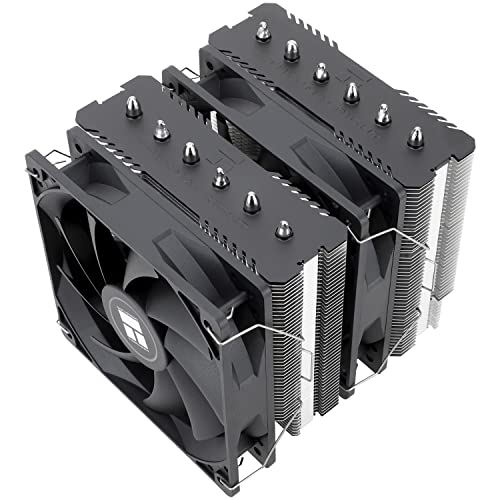
Seven heat pipes across two towers, 154mm tall, and it holds a 159 watt peak with the fans still in their quiet range. On this chip there is no thermal argument for spending more.

Quick picks
Pick | Cooler | Best for | Buy |
|---|---|---|---|
Best Overall | The default 245K build | ||
Best Value | The same result for less | ||
Best Premium | When quiet is a hard requirement | ||
Best Budget | Gaming-first, mesh-front case | ||
Editor's Pick | Clearance-constrained builds |
Best Overall
- Cooler
- Best for
The default 245K build
- Buy
Best Value
- Cooler
- Best for
The same result for less
- Buy
Best Premium
- Cooler
- Best for
When quiet is a hard requirement
- Buy
Best Budget
- Cooler
- Best for
Gaming-first, mesh-front case
- Buy
Editor's Pick
- Cooler
- Best for
Clearance-constrained builds
- Buy
Specs at a glance
Cooler | Type | Heat pipes | Fans | Height / radiator | Socket |
|---|---|---|---|---|---|
Dual-tower air | 7 | 2 x 120mm | 154mm | LGA1851 | |
Dual-tower air | 6 | 2 x 120mm | 155mm | LGA1851 | |
Single-tower air | 7 | 2 x NF-A12x25 | 158mm | LGA1851 | |
Single-tower air | 4 | 1 x 120mm | 155mm | LGA1851 | |
240mm AIO | n/a | 2 x 120mm | 240mm radiator | LGA1851 |
- Type
Dual-tower air
- Heat pipes
7
- Fans
2 x 120mm
- Height / radiator
154mm
- Socket
LGA1851
- Type
Dual-tower air
- Heat pipes
6
- Fans
2 x 120mm
- Height / radiator
155mm
- Socket
LGA1851
- Type
Single-tower air
- Heat pipes
7
- Fans
2 x NF-A12x25
- Height / radiator
158mm
- Socket
LGA1851
- Type
Single-tower air
- Heat pipes
4
- Fans
1 x 120mm
- Height / radiator
155mm
- Socket
LGA1851
- Type
240mm AIO
- Heat pipes
n/a
- Fans
2 x 120mm
- Height / radiator
240mm radiator
- Socket
LGA1851
How much cooler the 245K needs
Intel rates the Core Ultra 5 245K at 125 watts processor base power and 159 watts maximum turbo power. Reviewers measured it below both. Over a thirty minute Cinebench R23 multi-core run the chip averaged around 123 watts and stayed roughly 20 watts under its own cap the entire time. In Baldur's Gate 3 it drew about 83 watts.
Set that against the Core Ultra 9 285K, which is a 250 watt class part. The gap between them is around 91 watts, and 91 watts is two full cooler tiers. A heatsink sized for the 285K sitting on a 245K is not safety margin. It is aluminium that never gets warm.
Arrow Lake also raised TJmax to 105C, five degrees higher than Intel's previous mainstream ceiling. Peak package temperatures on the 245K under a competent tower land around 76C. That is close to thirty degrees of margin before the chip starts pulling clocks back, on a cooler that costs a fraction of the flagship. One caveat worth hedging: Arrow Lake's tile packaging moves the hot spot relative to the Raptor Lake chips most of these coolers were reviewed on, so reports suggest contact-plate fit varies a little more than the spec sheets imply. It has not been enough to change which tier of cooler this chip wants.
One more thing that widens the shortlist. LGA1851 uses the same cooler mounting hole spacing and the same dimensions as LGA1700, and Intel and Noctua both state it directly. An LGA1700 backplate lines up on an LGA1851 board, so the bracket scramble that follows every new Intel socket does not apply here. If you already own a tower from a 12th, 13th or 14th generation build, it fits.
How we picked
Cooler tier follows measured sustained draw, not the socket's flagship. The 245K's worst case is an all-core render near 123 watts and its typical case is a game near 83 watts, so anything rated comfortably above 159 watts clears it. That is a low bar, which is why the interesting differences across the wider air cooler field show up somewhere other than temperature.
Case airflow is the second variable, and it matters more here than the last two degrees of cooler performance. A single-fan tower in a case with a mesh front and two intakes behaves completely differently from the same tower behind a solid glass panel. If the front of your chassis is glass with slits down the side, fix that before you size up the cooler. The power, cooling and case guide walks through the rest of that decision.
Noise is a separate axis from temperature, and on this chip it is the one that separates the picks. All five keep the 245K under its limit. Only some of them do it quietly, and the premium for quiet is real but narrow. The broader framework lives in how to choose a CPU cooler.
Best Overall: Thermalright Phantom Spirit 120 SE ARGB
Specs
Type | Dual-tower air |
Heat pipes | 7 |
Fans | 2 x 120mm PWM, 1500 RPM |
Height | 154mm |
Sockets | LGA1851 / LGA1700 / AM5 / AM4 |
Lighting | ARGB |
Type
Dual-tower air
Heat pipes
7
Fans
2 x 120mm PWM, 1500 RPM
Height
154mm
Sockets
LGA1851 / LGA1700 / AM5 / AM4
Lighting
ARGB
What it does well
Seven heat pipes and two 120mm towers is more cooler than a 159 watt chip needs, which is exactly the point. Under a sustained all-core load the fans sit low in their range and the package settles well short of the 105C ceiling. There is nothing to tune and nothing to worry about.
At 154mm it clears the practical height limit in most ATX mid-towers, including the ones that advertise 180mm and deliver closer to 165mm once the side panel and the fan tops are accounted for. Mounting is the simple Thermalright backplate, and the paste in the box is good enough that you do not need to buy any.
The ARGB version and the plain black version are the same heatsink underneath. If lighting matters to the build, take this one.
What you give up
It is still 154mm of tower sitting over the first memory slot. Tall heat spreaders with lighting on top can force the front fan up a few millimetres, and a few millimetres is sometimes the difference between the side panel closing and not. Measure before you commit.
The bundled fans are good rather than exceptional. They move the air this chip needs, but the acoustic gap between them and a set of premium 120mm fans is audible if you are listening for it. Buyers have also flagged that the ARGB runs through a hub rather than per-fan addressable headers on some boards, so check your header situation if lighting sync matters.
Who it's for
The default 245K build. An ATX mid-tower with real front intake, a chip that spends most of its life gaming, and a builder who would rather put the difference into storage or a better monitor.
Best Value: Thermalright Peerless Assassin 120 SE
Specs
Type | Dual-tower air |
Heat pipes | 6 |
Fans | 2 x 120mm PWM, 1550 RPM |
Height | 155mm |
Sockets | LGA1851 / LGA1700 / AM5 / AM4 |
Finish | Nickel-plated, no lighting |
Type
Dual-tower air
Heat pipes
6
Fans
2 x 120mm PWM, 1550 RPM
Height
155mm
Sockets
LGA1851 / LGA1700 / AM5 / AM4
Finish
Nickel-plated, no lighting
What it does well
Six heat pipes instead of seven, and on a chip that peaks at 159 watts you will never find the seventh. Same dual-tower layout, same backplate, same ten minute install, and it lands within a degree or two of the top pick on this part.
The plain nickel finish is a reason to choose it beyond the money. Sleeper builds, office machines and anything going into a case with a solid side panel gain nothing from lighting, and this one has none to disable in software later.
What you give up
The stock fans are the older TL-C12C units rather than the V2 pair on the Phantom Spirit, and under a long all-core render the gap opens slightly. On a 250 watt chip that gap would matter. On this one it is the difference between two numbers you will never look at. Watch the listing itself, too. Thermalright sells the 120 SE, the 120 SE V2 and the 120 SE ARGB as three separate products at three different prices, and buyers regularly land on the wrong one.
No lighting at all, which is a feature or a loss depending on the build. There is also no upgrade story here, so if a bigger chip is in the plan, buy for the bigger chip.
Who it's for
Builders who want the 245K handled correctly and do not care what the cooler looks like. It is also the right answer for a second machine, a work box, or any build where the side panel is solid.
Best Premium: Noctua NH-U12A chromax.Black

Specs
Type | Single-tower air, 120mm class |
Heat pipes | 7 |
Fans | 2 x NF-A12x25 PWM |
Height | 158mm |
Sockets | LGA1851 / LGA1700 / AM5 / AM4 |
Warranty | 6 years |
Type
Single-tower air, 120mm class
Heat pipes
7
Fans
2 x NF-A12x25 PWM
Height
158mm
Sockets
LGA1851 / LGA1700 / AM5 / AM4
Warranty
6 years
What it does well
The pair of NF-A12x25 fans is what you are buying. At the speeds a 245K asks for, this cooler is close to inaudible inside a closed case, and it holds that noise floor under sustained load rather than only at idle.
Seven heat pipes in a 120mm single-tower footprint means it performs like a dual tower without the width. The memory slots stay clear, which is more than most 140mm towers can claim, and the chromax finish keeps it visually out of the way.
Noctua backs it for six years and will send mounting hardware for a socket you bought into years later. The LGA1851 hardware is the same SecuFirm2 kit as LGA1700, so older boxed stock that prints only LGA1700 on the packaging still mounts without a new bracket.
What you give up
You are paying roughly three times the top pick for a couple of degrees and a much lower noise floor. On a 159 watt chip the thermal argument was already won further down this page, so the entire case for this purchase rests on acoustics.
That case is narrow. If you game in a headset, the noise you are paying to remove never reaches you anyway. The profiles where it genuinely pays off are audio work, a machine that sits next to your head for eight hours a day, and real noise sensitivity. Everyone else should take the saving and spend it on the graphics card.
Who it's for
Buyers who have stated quiet as a hard requirement and know why. Recording setups, desk-adjacent work machines, and builders who value the warranty and the support behind it.
Best Budget: Thermalright Assassin X120 Refined SE ARGB

Specs
Type | Single-tower air |
Heat pipes | 4 |
Fans | 1 x 120mm TL-C12C-S PWM |
Height | 155mm |
Sockets | LGA1851 / LGA1700 / AM5 / AM4 |
Lighting | ARGB |
Type
Single-tower air
Heat pipes
4
Fans
1 x 120mm TL-C12C-S PWM
Height
155mm
Sockets
LGA1851 / LGA1700 / AM5 / AM4
Lighting
ARGB
What it does well
Four heat pipes and one 120mm fan is the honest floor for this chip, and it clears it. In a case with two front intakes and a rear exhaust, the 245K stays comfortably under its limit through a full gaming session without the fan ever becoming the loudest thing in the room.
The single-fan layout leaves the memory slots completely alone, which makes it the easy answer for four-stick kits with tall heat spreaders. It mounts in a few minutes and it costs less than a decent set of case fans.
What you give up
Headroom, and you feel the lack of it under all-core work. Push the chip through a long render and the fan climbs high in its RPM range and stays there. If the machine does more than game, or if a Core Ultra 7 265K is in the upgrade plan, step up a tier now.
This is also the pick that depends most on the case around it. Buyers have flagged the combination of a single-fan tower and a restricted front panel as the one that actually causes trouble, and that is a case problem wearing a cooler's clothes. Behind solid glass, take a dual tower instead.
Who it's for
Gaming-first 245K builds on a tight budget, in a mesh-front case, where the chip lives near its gaming draw and rarely sees a sustained all-core load.
Editor's Pick: ARCTIC Liquid Freezer III 240 A-RGB
Specs
Type | 240mm AIO |
Radiator | 240mm, 38mm thick |
Fans | 2 x 120mm P12 PWM, 200-1800 RPM |
Pump block | Integrated VRM fan |
Sockets | LGA1851 / LGA1700 / AM5 / AM4 |
Warranty | 6 years |
Type
240mm AIO
Radiator
240mm, 38mm thick
Fans
2 x 120mm P12 PWM, 200-1800 RPM
Pump block
Integrated VRM fan
Sockets
LGA1851 / LGA1700 / AM5 / AM4
Warranty
6 years
What it does well
The reason to put liquid on a 245K is clearance, not temperature, and this is the cooler that does it properly. A 240mm radiator moves the heatsink out of the motherboard area entirely, which opens up tall memory, top-mounted fans, and small cases that a 154mm tower simply will not fit.
The radiator is 38mm thick, so the two P12 fans move the required air at low speed instead of high. Arctic also puts a small fan in the pump block that blows across the VRM heatsinks, which is more useful than it sounds on the cheaper LGA1851 boards where VRM cooling is thin.
Six year warranty, a proven pump, and no screen bolted to the top of it. The AIOs worth avoiding are the ones where the display is the selling point.
What you give up
A pump is a moving part with a service life, and when it eventually fails it fails with warm coolant sitting above a graphics card. That risk is small and it is real, and it is why air is the default on a chip this size.
You are also buying clearance rather than cooling. A 240mm radiator is already generous for a 159 watt part, and the 360mm version of this cooler is straightforwardly wasted here. Reports also suggest the thick radiator plus fan stack runs past what some mid-towers allow in the top position, so a front mount is the safer default.
Who it's for
Small form factor and clearance-constrained builds, and buyers who want the liquid look and accept what a pump is.
Bottom line
If you are building a standard 245K machine, buy the Thermalright Phantom Spirit 120 SE ARGB and stop thinking about it. If you want the same result for less, the Peerless Assassin 120 SE is within a degree or two. If quiet is a stated requirement and you can hear your PC from where you sit, the Noctua NH-U12A earns its premium. If the budget is genuinely tight and your case has a mesh front, the Assassin X120 Refined SE is enough. And if the constraint is clearance rather than heat, the ARCTIC Liquid Freezer III 240 is the right size of liquid for this chip.
FAQ
Does the Core Ultra 5 245K come with a cooler?
No. The 245K ships without a cooler in the box, so budget for one as part of the CPU purchase rather than as an afterthought. The good news is that the bar is low. The chip's maximum turbo power is 159 watts and it measures under that in practice, so any competent dual-tower air cooler clears it with room to spare. You do not need a flagship, and you do not need liquid unless your case gives you a clearance reason to want it.
Will an LGA1700 cooler fit the Core Ultra 5 245K?
Yes. LGA1851 uses the same cooler mounting hole spacing and the same physical dimensions as LGA1700, and both Intel and Noctua confirm that existing LGA1700 backplates and brackets line up correctly. If you are carrying a tower over from a 12th, 13th or 14th generation build, it mounts without a new kit. Check the bundled hardware anyway, since some older boxes list only LGA1700 on the packaging even though the parts inside are identical.
Do you need an AIO for the Core Ultra 5 245K, or is air enough?
Air is enough. A 159 watt ceiling sits comfortably inside what a good dual tower handles, and the measured sustained draw is lower still. The reasons to choose liquid here are structural rather than thermal: a small case that cannot take a 154mm tower, memory that a wide heatsink would block, or a preference for the look. If none of those apply, an air cooler is quieter over the life of the build and has nothing in it that can fail.
What temperatures should the Core Ultra 5 245K run at?
Under a competent tower, expect peak package temperatures around 76C during sustained multi-core work and considerably lower while gaming. Arrow Lake raised TJmax to 105C, which leaves close to thirty degrees of margin before the chip throttles. If you are seeing numbers in the nineties on a dual-tower cooler, the cause is almost always mounting pressure or case airflow rather than the cooler itself. Reseat it, then check that the front panel is actually letting air in.
Does the Core Ultra 5 245KF need a different cooler than the 245K?
No. The 245KF is the same silicon with the integrated graphics disabled, on the same LGA1851 socket, with the same 125 watt base and 159 watt maximum turbo figures. Every cooler on this page mounts and performs identically on it. If anything, a 245KF build always pairs with a discrete graphics card, which makes case airflow slightly more important, so favour a mesh-front chassis and a dual tower over the single-fan budget option.
Is a 360mm AIO overkill for the Core Ultra 5 245K?
Yes, in the sense that it buys nothing the chip can use. A 240mm radiator already has more capacity than a 159 watt part will ask of it, and the extra radiator length mostly converts into slightly lower fan speeds you would not have noticed. If you want liquid, the 240mm tier is the right one. Put the difference toward storage or a better graphics card, both of which change how the machine feels day to day.
Related Articles

Best CPU Coolers for the Intel Core Ultra 9 285K (2026)
The best CPU cooler for the Core Ultra 9 285K depends on your workload. A 360mm AIO earns its keep under all-core load; here is where air still holds up.
Jul 11, 2026

Best CPU Cooler for Core Ultra 7 265K: 5 Picks (2026)
The best CPU cooler for a Core Ultra 7 265K rarely needs to be a 360mm AIO. Five picks tiered to the chip's real 250W ceiling, plus LGA1851 mount notes.
Aug 30, 2026

Ryzen 5 9600X vs Core Ultra 5 245K (2026): 4 Buyer Verdicts
Ryzen 5 9600X vs Core Ultra 5 245K: the 9600X wins 1080p and 1440p gaming on a quiet 65 W build, the 245K wins Premiere, Resolve and multi-threaded work.
Oct 24, 2026

Best GPU for VR in 2026: 5 Picks From RX 9060 XT to RTX 5090
The best GPU for VR in 2026 is an RTX 5070 Ti for most headsets, or an RTX 5080 or 5090 for high-res ones. 5 VR-ready picks by headset class, all 16GB+.
Oct 27, 2026

RX 5700 XT to RX 9070 XT: Is the Upgrade Worth It? (2026)
Is the RX 5700 XT to RX 9070 XT upgrade worth it? Yes: close to triple the 1440p frame rate, ray tracing and FSR 4, plus the power supply check to run first.
Oct 27, 2026