Affiliate Disclosure: As an Amazon Associate we earn from qualifying purchases. Some links may earn us a commission at no cost to you.

Best CPUs for Marathon (2026): Top Picks for Extraction FPS
Marathon punishes a weak CPU in the exact moments that decide an extraction run. When three Runners crash into the same contested zone and the AI factions open up, the Tiger engine's simulation thread does more work than your graphics card, and your frame rate falls off a cliff right when you need it. That is a processor problem, not a GPU one.
Bungie even pointed at the Ryzen 5 9600X's single-thread strength to explain why a cheaper chip can post higher frames. Below are the five CPUs we would pair with Marathon, ranked by how they hold up in the fights that get you killed, with a companion GPU guide for the other half of the build.
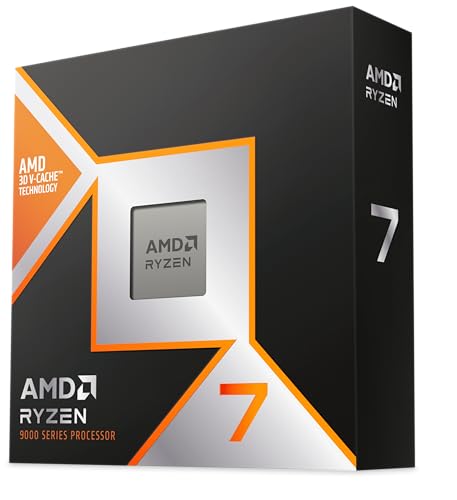
Our top pick: AMD Ryzen 7 9800X3D
The 9800X3D's 96 MB of 3D V-Cache feeds Marathon's simulation thread exactly where the game gets heavy, so it holds the best worst-case frames when a zone fills with players and AI.
Quick picks
Pick | CPU | Best for | Where to buy |
|---|---|---|---|
Best Overall | Best 1% lows in contested fights | ||
Best Value | Near-top extraction frames for less | ||
Best Premium | Gaming cache plus streaming and creation | ||
Best Budget | Bungie's named single-thread example | ||
Editor's Pick | The Intel path for competitive 1440p |
Best Overall
- CPU
- Best for
Best 1% lows in contested fights
- Where to buy
Best Value
- CPU
- Best for
Near-top extraction frames for less
- Where to buy
Best Premium
- CPU
- Best for
Gaming cache plus streaming and creation
- Where to buy
Best Budget
- CPU
- Best for
Bungie's named single-thread example
- Where to buy
Editor's Pick
- CPU
- Best for
The Intel path for competitive 1440p
- Where to buy
Specs at a glance
CPU | Cores / threads | Boost clock | L3 cache | TDP | Socket |
|---|---|---|---|---|---|
8C / 16T | Up to 5.2 GHz | 96 MB (3D V-Cache) | 120 W | AM5 | |
8C / 16T | Up to 5.0 GHz | 96 MB (3D V-Cache) | 120 W | AM5 | |
16C / 32T | Up to 5.7 GHz | 128 MB (3D V-Cache) | 170 W | AM5 | |
6C / 12T | Up to 5.4 GHz | 32 MB | 65 W | AM5 | |
20C (8P + 12E) / 28T | Up to 5.6 GHz | 33 MB | 125 W base (253 W turbo) | LGA1700 |
- Cores / threads
8C / 16T
- Boost clock
Up to 5.2 GHz
- L3 cache
96 MB (3D V-Cache)
- TDP
120 W
- Socket
AM5
- Cores / threads
8C / 16T
- Boost clock
Up to 5.0 GHz
- L3 cache
96 MB (3D V-Cache)
- TDP
120 W
- Socket
AM5
- Cores / threads
16C / 32T
- Boost clock
Up to 5.7 GHz
- L3 cache
128 MB (3D V-Cache)
- TDP
170 W
- Socket
AM5
- Cores / threads
6C / 12T
- Boost clock
Up to 5.4 GHz
- L3 cache
32 MB
- TDP
65 W
- Socket
AM5
- Cores / threads
20C (8P + 12E) / 28T
- Boost clock
Up to 5.6 GHz
- L3 cache
33 MB
- TDP
125 W base (253 W turbo)
- Socket
LGA1700
Benchmarks
Marathon is CPU-bound in contested fights, so these directional rankings track 1% lows and worst-case frames, not just averages. Bungie has also said a CPU performance boost is coming, so treat exact numbers as a moving target and the ordering as the durable signal.
Relative standing for contested-fight 1% lows at 1080p, where the CPU sets the ceiling (100 = best in test).
- 100 FPS
- 97 FPS
- 99 FPS
- 88 FPS
- 90 FPS
Relative standing at 1440p high; the gap narrows as more load shifts toward the GPU (100 = best in test).
- 100 FPS
- 98 FPS
- 99 FPS
- 91 FPS
- 93 FPS
How we picked
We size the CPU to the game's real bottleneck, and in Marathon that bottleneck is the processor. The Tiger engine spreads work across cores, but whatever sub-task finishes last lands on a single thread, so strong single-thread performance and a large cache both matter. That is why we lead with the cache-heavy X3D chips and why Bungie's own guide leans on single-thread scores to rank processors.
Cache is the lever here. In CPU-bound shooters, the extra L3 on AMD's 3D V-Cache parts keeps the simulation fed, and that shows up as steadier 1% lows in the busiest zones rather than a bigger average-FPS number. This is the same pattern that makes X3D worth its premium in sim, strategy, and dense-combat games, and Marathon's contested extractions fit that mold.
We only recommend chips that are in stock on Amazon right now, on platforms with a sensible upgrade story. Four of the five picks are AM5, which has a long socket runway, and the Intel pick is here for players already on LGA1700 or who want QuickSync for capture. We skipped older many-core parts that look good on a spec sheet but trail in single-thread, which is the trait that moves Marathon frames.
Best Overall: AMD Ryzen 7 9800X3D
Specs
Cores / threads | 8C / 16T |
Boost clock | Up to 5.2 GHz |
L3 cache | 96 MB (3D V-Cache) |
TDP | 120 W |
Socket | AM5 |
Memory | DDR5, EXPO |
Cores / threads
8C / 16T
Boost clock
Up to 5.2 GHz
L3 cache
96 MB (3D V-Cache)
TDP
120 W
Socket
AM5
Memory
DDR5, EXPO
What it does well
The 9800X3D carries the largest gaming cache pool in this lineup, and that is what Marathon leans on. The 96 MB of 3D V-Cache keeps the simulation thread fed through a contested extraction, so your frames stay steady when a zone gets loud. That steadiness is the difference between landing a fight and watching your shots register a beat late.
The second-generation V-Cache layout sits the cache below the cores instead of on top, so the chip clocks higher than the 7800X3D while keeping the same cache advantage. Pair it with any current GPU at 1080p or 1440p and the CPU simply will not be your limit. AM5 also gives it a long upgrade runway if you swap parts down the line.
What you give up
You are paying top-tier gaming-CPU pricing, and the lead shrinks the moment you become GPU-bound. Push to 4K with heavy effects on a lighter card and the 9800X3D and a cheaper chip start posting the same numbers, because the GPU is now the wall.
It is also an eight-core part, so it is not the chip for sustained multi-core work like long Blender or video renders. If your day job is rendering, look at the 9950X3D instead.
Who it's for
This is the pick for the competitive Marathon player on a 1080p or 1440p high-refresh panel with a strong GPU who wants the best worst-case frames in contested fights and no second-guessing.
Reports suggest most AM5 boards that shipped before late 2024 need a BIOS update before a 9000-series chip will post, so check the board's supported-CPU list first.
Best Value: AMD Ryzen 7 7800X3D

Specs
Cores / threads | 8C / 16T |
Boost clock | Up to 5.0 GHz |
L3 cache | 96 MB (3D V-Cache) |
TDP | 120 W |
Socket | AM5 |
Memory | DDR5, EXPO |
Cores / threads
8C / 16T
Boost clock
Up to 5.0 GHz
L3 cache
96 MB (3D V-Cache)
TDP
120 W
Socket
AM5
Memory
DDR5, EXPO
What it does well
The 7800X3D runs the same 96 MB of 3D V-Cache as the top pick, which is the part that matters most for Marathon. In contested fights it holds its 1% lows close to the 9800X3D, and in practice most players will not feel the gap. It is the easiest buy-it-and-stop-thinking gaming chip for an extraction shooter.
It also runs cool and efficient at 120 W and drops into the same affordable AM5 boards as the rest of the AMD picks, so the platform around it stays cheap.
What you give up
You give up a few hundred megahertz of clock and a sliver of contested-fight 1% lows next to the 9800X3D. You also get a little less overclocking and platform headroom for a future swap. If you want the outright best number on the chart, this is not it.
Buyers have flagged that the 7800X3D and 9800X3D street prices sometimes sit close together, so check the gap before defaulting to the older chip.
Who it's for
Go here if you want near-top Marathon frames without paying for the halo part, especially on a fresh AM5 build at 1080p or 1440p. The same pre-2025 AM5 BIOS caveat applies on older boards.
Best Premium: AMD Ryzen 9 9950X3D

Specs
Cores / threads | 16C / 32T |
Boost clock | Up to 5.7 GHz |
L3 cache | 128 MB (3D V-Cache) |
TDP | 170 W |
Socket | AM5 |
Memory | DDR5, EXPO |
Cores / threads
16C / 32T
Boost clock
Up to 5.7 GHz
L3 cache
128 MB (3D V-Cache)
TDP
170 W
Socket
AM5
Memory
DDR5, EXPO
What it does well
The 9950X3D keeps the V-Cache gaming advantage Marathon rewards and stacks 16 cores on top. That means it holds the contested-zone 1% lows of an X3D chip while absorbing a stream, a recording, or a Blender job running on the same box.
It also clocks highest in this stack, so nothing about the gaming side feels like a compromise. For a player who creates and plays on one machine, it is the only pick here that genuinely does both jobs at once.
What you give up
For pure gaming it is meaningful money over the 7800X3D, and most of that spend buys frames you will rarely notice in Marathon. The 170 W draw also asks for stronger cooling and a better VRM board, which adds to the platform cost.
If you only play, this is overkill. The cache that helps Marathon is the same on the cheaper X3D chips.
Who it's for
This is for the Marathon player who also streams, records, or runs heavy multi-core work and refuses to keep two machines.
Reports suggest dual-CCD X3D chips can need current chipset drivers and the Xbox or Game Bar app installed so the scheduler parks games on the cache CCD, so confirm that during setup.
Best Budget: AMD Ryzen 5 9600X

Specs
Cores / threads | 6C / 12T |
Boost clock | Up to 5.4 GHz |
L3 cache | 32 MB |
TDP | 65 W |
Socket | AM5 |
Memory | DDR5, EXPO |
Cores / threads
6C / 12T
Boost clock
Up to 5.4 GHz
L3 cache
32 MB
TDP
65 W
Socket
AM5
Memory
DDR5, EXPO
What it does well
The 9600X is the chip Bungie itself named when explaining why single-thread performance moves Marathon frames. Its strong single-thread throughput is exactly what the Tiger engine's last-finishing sub-task leans on, and six fast cores clear the recommended spec with room to spare.
It runs at a cool 65 W and is the cheapest sensible way onto AM5, which leaves real budget for the GPU and an upgrade path to an X3D chip later.
What you give up
With no V-Cache, it cedes some contested-fight 1% lows to the X3D chips in the busiest zones. Six cores also leave less buffer when you have a browser, voice chat, and a recorder open at the same time. It is not the chip for chasing the absolute frame ceiling.
Closing extra overlays and recorders helps here more than it does on an eight-core part.
Who it's for
This is the pick for the budget-conscious player building or upgrading onto AM5 who wants strong Marathon frames now and the option to drop in an X3D chip down the line. The AM5 BIOS caveat applies on older boards.
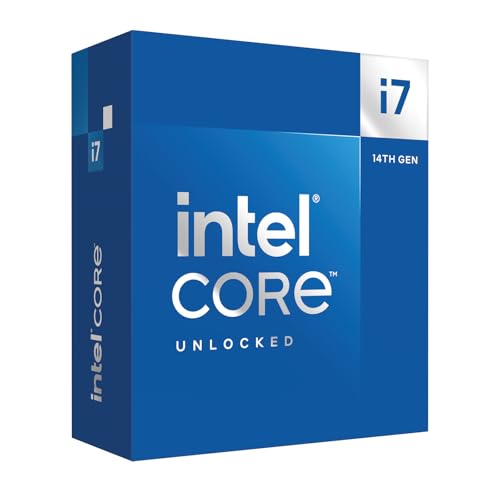
Editor's Pick: Intel Core i7-14700K
Specs
Cores / threads | 20C (8P + 12E) / 28T |
Boost clock | Up to 5.6 GHz |
L3 cache | 33 MB |
TDP | 125 W base (253 W turbo) |
Socket | LGA1700 |
Memory | DDR5 / DDR4 |
Cores / threads
20C (8P + 12E) / 28T
Boost clock
Up to 5.6 GHz
L3 cache
33 MB
TDP
125 W base (253 W turbo)
Socket
LGA1700
Memory
DDR5 / DDR4
What it does well
The 14700K is the Intel path Bungie's own performance guidance points at for competitive 1440p. High clocks plus a deep mix of eight performance cores and twelve efficiency cores feed the Tiger scheduler well, and it pairs naturally with the RTX 40-series and RX 7000 GPUs that guidance calls out.
Its QuickSync block is a real win if you capture or stream, and anyone already on LGA1700 can drop it in without buying a new board.
What you give up
With no gaming V-Cache, it trails the X3D chips on Marathon's worst-case 1% lows in the most contested zones. The high turbo power also wants serious cooling and a solid VRM board, so the platform around it is not cheap.
LGA1700 is also an end-of-life socket with no further upgrade runway, so a future CPU swap means a new board.
Who it's for
Go here if you are already on LGA1700, you want QuickSync for capture and streaming, or you simply prefer Intel and accept trading a little contested-fight headroom for the broader core count.
Reports suggest pairing it with a board carrying the latest microcode and a strong VRM, because the turbo power draw punishes weak boards and budget cooling under sustained load.
Bottom line
If you want the best Marathon frames in the fights that decide a run, buy the Ryzen 7 9800X3D. If you want most of that for less, the Ryzen 7 7800X3D is the value play. If you stream or create on the same machine, step up to the Ryzen 9 9950X3D. If the budget is tight, the Ryzen 5 9600X clears the bar and leaves room for the GPU. And if you are on Intel or LGA1700, the Core i7-14700K is the call.
FAQ
What CPU does Bungie recommend for Marathon?
Bungie's published recommended spec lists a Ryzen 5 3500 or Core i5-10400 as the floor, but its own PC performance guide goes further and uses the Ryzen 5 9600X's strong single-thread score to explain why a newer, cheaper chip can post higher frames than an older many-core part. The takeaway is that single-thread performance, not core count, is what Marathon rewards.
Is Marathon CPU-bound or GPU-bound?
Marathon is CPU-bound in contested fights. When several Runners and AI factions pile into the same zone, the Tiger engine's simulation thread can outpace even a fast graphics card, which is why upscaling like DLSS or FSR does little without frame generation. Your processor sets the frame ceiling in the moments that matter most.
Do you need an X3D CPU to play Marathon well?
No, but it helps in the worst-case fights. The large 3D V-Cache on chips like the 7800X3D and 9800X3D keeps the simulation thread fed, which steadies your 1% lows when a zone gets busy. A strong non-X3D chip like the 9600X or 14700K still plays Marathon well on average, it just gives up a little headroom in the most contested zones.
Is the Ryzen 5 9600X good enough for Marathon?
Yes. The 9600X is the chip Bungie pointed to as a single-thread example, and its six fast cores clear the recommended spec comfortably while leaving budget for the GPU. It trails the X3D chips on 1% lows in the busiest fights, but it is a strong, affordable entry onto AM5 with an upgrade path to an X3D part later.
Is the Ryzen 7 9800X3D or 7800X3D better for Marathon?
The 9800X3D is the better chip and holds slightly steadier frames in contested fights thanks to higher clocks on the same 96 MB cache. The 7800X3D carries that identical cache for less, and in practice the Marathon gap is small enough that most players will not feel it. Check the current price gap, then take the 9800X3D if it is close and the 7800X3D if there is real money between them.
Related Articles

Best CPUs for Forza Horizon 6 (2026): Five Picks by Tier
Best CPUs for Forza Horizon 6 in 2026, picked by tier. X3D rules high-refresh freeroam crowds; the budget and Intel paths cruise 1440p fine.
May 17, 2026

How to Choose a CPU and Motherboard
The buyer's framework for picking a CPU and motherboard pair: use case first, socket second, chip tier third, then the board class that matches.
May 17, 2026

Best GPUs for 1440p Gaming (2026): 5 16GB Picks, 60-240Hz
The best GPUs for 1440p gaming in 2026: five 16GB picks matched to 60, 144, and 240 Hz targets, with real benchmarks, trade-offs, and who each card fits.
Aug 8, 2026

Best 4K 240Hz OLED Gaming Monitors 2026: 6 Picks Compared
The best 4K 240Hz OLED gaming monitors, ranked: which 27 and 32 inch QD-OLED and WOLED panels are worth buying, and which RTX 5090 pairing needs DP 2.1a.
Sep 13, 2026

Best GPU for the i5-12400F in 2026: 4 Tested Pairings
Best GPU for the i5-12400F, ranked by the resolution you actually play at: four pairings with measured 1% lows, plus the LGA 1700 limits that bound the pick.
Sep 13, 2026