Affiliate Disclosure: As an Amazon Associate we earn from qualifying purchases. Some links may earn us a commission at no cost to you.

Best Gaming Laptops for Titan Quest II (2027): 5 Picks
Titan Quest II leaves early access on January 19 with its 1.0 release on PC, PS5 and Xbox, and it is a heavier game than its classic look suggests. Grimlore built it on Unreal Engine 5, and the Steam sheet asks for an RTX 2070 class card with 8 GB and 16 GB of memory at minimum, then 12 GB of VRAM and 32 GB recommended.
That recommended line is the bar most gaming laptops miss. The best laptop for Titan Quest 2 is the one that meets it on the graphics side and in system memory, so these five are ranked GPU first and VRAM second.
Our top pick: ASUS ROG Strix G16 RTX 5070 Ti X3D
The Strix G16 pairs a 12 GB RTX 5070 Ti with 32 GB of DDR5 in a thick, well-cooled chassis, which meets Titan Quest II's recommended sheet on both lines that matter.

Quick picks
Pick | Laptop | Best for | Buy |
|---|---|---|---|
Best Overall | The recommended spec met in full | ||
Best Value | 32 GB and a step-up GPU for less | ||
Best Premium | 16 GB of VRAM and an OLED panel | ||
Best Budget | The 1.0 campaign at 1200p on a budget | ||
Editor's Pick | Recommended tier in a bag-friendly chassis |
Best Overall
- Laptop
- Best for
The recommended spec met in full
Best Value
- Laptop
- Best for
32 GB and a step-up GPU for less
Best Premium
- Laptop
- Best for
16 GB of VRAM and an OLED panel
Best Budget
- Laptop
- Best for
The 1.0 campaign at 1200p on a budget
Editor's Pick
- Laptop
- Best for
Recommended tier in a bag-friendly chassis
Specs at a glance
Laptop | CPU | GPU | Display | Memory | Storage |
|---|---|---|---|---|---|
Ryzen 9 9955HX3D, 16 cores | RTX 5070 Ti Laptop, 12 GB | 16in 2.5K 300 Hz | 32 GB DDR5 | 1 TB | |
Core 9 270H | RTX 5070 Laptop, 8 GB | 16in 2560x1600 120 Hz | 32 GB DDR5 | 1 TB | |
Ryzen 9 9955HX3D, 16 cores | RTX 5080 Laptop, 16 GB | 16in 2560x1600 OLED 240 Hz | 32 GB DDR5 | 1 TB | |
Core i7-14650HX, 16 cores | RTX 5060 Laptop, 8 GB | 16in FHD+ 165 Hz | 16 GB DDR5 | 1 TB | |
Core Ultra 9 386H | RTX 5070 Ti Laptop, 12 GB | 16in QHD+ OLED 240 Hz | 32 GB DDR5 | 1 TB |
- CPU
Ryzen 9 9955HX3D, 16 cores
- GPU
RTX 5070 Ti Laptop, 12 GB
- Display
16in 2.5K 300 Hz
- Memory
32 GB DDR5
- Storage
1 TB
- CPU
Core 9 270H
- GPU
RTX 5070 Laptop, 8 GB
- Display
16in 2560x1600 120 Hz
- Memory
32 GB DDR5
- Storage
1 TB
- CPU
Ryzen 9 9955HX3D, 16 cores
- GPU
RTX 5080 Laptop, 16 GB
- Display
16in 2560x1600 OLED 240 Hz
- Memory
32 GB DDR5
- Storage
1 TB
- CPU
Core i7-14650HX, 16 cores
- GPU
RTX 5060 Laptop, 8 GB
- Display
16in FHD+ 165 Hz
- Memory
16 GB DDR5
- Storage
1 TB
- CPU
Core Ultra 9 386H
- GPU
RTX 5070 Ti Laptop, 12 GB
- Display
16in QHD+ OLED 240 Hz
- Memory
32 GB DDR5
- Storage
1 TB
How we picked gaming laptops for Titan Quest II
Start with the official sheet. The Steam listing asks for Windows 10 or 11, a Core i5-8600K or Ryzen 5 2600X, 16 GB of memory and a GPU with 8 GB of VRAM (an RTX 2070 or RX 6700 XT) at minimum. The recommended tier is a Core i5-12400 or Ryzen 5 5600X, 32 GB of memory and 12 GB of VRAM, naming the RTX 3070 Ti, RTX 4070 and RX 6800 XT. Both tiers want 50 GB on an SSD. Grimlore has not published a separate 1.0 sheet yet, so check the store page again at launch.
This game leans on the graphics chip, not the processor. In GameGPU's early access test at maximum settings with no upscaling, a 60 fps average at 1080p took an RTX 3080 class desktop card, while the game used up to eight threads efficiently. That is the opposite of a CPU-bound ARPG like the one in our best gaming laptops for Path of Exile 2 guide, so here the GPU tier and its VRAM came first and core count came last. Every processor on this list has more than eight threads.
VRAM decided the order within each tier. The RTX 5070 Ti is the first laptop chip with the 12 GB the recommended sheet asks for, the RTX 5080 carries 16 GB, and the RTX 5060 and 5070 sit at the 8 GB minimum. The pillar on how to choose a GPU and a matching display covers why a high-resolution panel raises that bar.
Memory came next. Thirty-two gigabytes is an unusually high recommendation for an action RPG, and DDR5 prices have climbed sharply this fall, so a laptop that ships with 32 GB skips the most expensive upgrade. Four of the five do; our list of gaming laptops with 32 GB of RAM has more.
Upscaling is part of the plan, not a fallback. Titan Quest II shipped early access with DLSS 4, including Multi Frame Generation, so every RTX 50 laptop here can render below native resolution and upscale. We sized each pick for high settings with DLSS at its native panel resolution. Frame generation raises the number on the counter but adds input latency, so treat it as a bonus.
Last, we assumed a wall socket and a thick chassis where possible. Gaming laptops cut GPU power on battery, and a slim design runs the same chip at lower power than a thick one. The same plugged-in rule runs through our WoW Forever laptop picks, a lighter launch this winter.
Best Overall: ASUS ROG Strix G16 RTX 5070 Ti X3D
Specs
CPU | AMD Ryzen 9 9955HX3D (16 cores, 3D V-Cache) |
GPU | GeForce RTX 5070 Ti Laptop, 12 GB |
Display | 16in 2.5K 16:10, 300 Hz |
Memory | 32 GB DDR5-5600 |
Storage | 1 TB SSD |
Wireless | Wi-Fi 6E |
Model | G615FR-DB96 |
CPU
AMD Ryzen 9 9955HX3D (16 cores, 3D V-Cache)
GPU
GeForce RTX 5070 Ti Laptop, 12 GB
Display
16in 2.5K 16:10, 300 Hz
Memory
32 GB DDR5-5600
Storage
1 TB SSD
Wireless
Wi-Fi 6E
Model
G615FR-DB96
What it does well
This is the cheapest laptop here that meets the recommended sheet as written. The RTX 5070 Ti carries 12 GB of VRAM, the amount Grimlore names, and the 32 GB of DDR5 matches the memory line without an upgrade after checkout.
The Strix chassis is thick, and that matters more in a GPU-bound game than any single spec. It gives the 5070 Ti room to hold its power through a long co-op session instead of backing off as heat builds.
The 2.5K 16:10 panel at 300 Hz is sharp enough to read loot text and the skill tree without squinting. With DLSS doing the upscaling, the 5070 Ti drives it at high settings. For the same chip in other chassis, see our RTX 5070 Ti gaming laptops ranked by TGP.
What you give up
Native 2.5K at maximum settings is beyond it. Titan Quest II is heavy on the GPU, so plan on DLSS rather than native rendering, and on dropping shadows or effects a notch in the busiest fights.
The Ryzen 9 9955HX3D is more processor than this game asks for. Its 3D V-Cache earns its place in CPU-bound games, not here, and it is part of why this is an expensive laptop. Expect loud fans under a long load.
Players have flagged traversal and shader hitches through early access. The June updates targeted hitches and fixed memory leaks, but reports suggest some stutter remains when entering new areas, on any hardware.
Who it's for
The player who wants the recommended spec met on paper and in practice for the 1.0 campaign and co-op, without paying for an RTX 5080.
Best Value: Alienware 16 Aurora RTX 5070

Specs
CPU | Intel Core 9 270H |
GPU | GeForce RTX 5070 Laptop, 8 GB |
Display | 16in 2560x1600, 120 Hz, 300 nits |
Memory | 32 GB DDR5 |
Storage | 1 TB SSD |
Wireless | Wi-Fi 7, 1Gb Ethernet |
Model | AC16250 |
CPU
Intel Core 9 270H
GPU
GeForce RTX 5070 Laptop, 8 GB
Display
16in 2560x1600, 120 Hz, 300 nits
Memory
32 GB DDR5
Storage
1 TB SSD
Wireless
Wi-Fi 7, 1Gb Ethernet
Model
AC16250
What it does well
Thirty-two gigabytes in the box is the reason this is the value pick. It meets the recommended memory line that most laptops at this tier miss, and with DDR5 prices up this fall, that is the upgrade you would otherwise pay the most for.
The RTX 5070 is a clear step over the 5060 in a game this GPU-bound, and the 2560x1600 panel gives you a sharper image than any FHD screen. Run it at 1600p with DLSS and the 5070 holds high settings in most of the game.
Wi-Fi 7 and a wired Ethernet port suit co-op sessions, where a dropped connection costs the whole party. Amazon sold this config directly when we checked.
What you give up
Eight gigabytes of VRAM is the minimum tier, not the recommended 12 GB. Running 2560x1600 on an 8 GB card means DLSS and a texture setting below the top one; expect that trade from the first session.
The panel is plain next to the others here: 120 Hz and 300 nits, no OLED. The Core 9 270H is an H-class chip rather than HX, which matters little in a game that uses eight threads efficiently. The Aurora is Alienware's mainstream line, not the heavier Area-51.
Who it's for
The player who wants the recommended memory and a solid 1600p experience with DLSS, and would rather put the savings toward the game than a 5070 Ti. Our RTX 5070 gaming laptops list covers other chassis.
Best Premium: GIGABYTE AORUS Master 16 RTX 5080

Specs
CPU | AMD Ryzen 9 9955HX3D (16 cores, 3D V-Cache) |
GPU | GeForce RTX 5080 Laptop, 16 GB |
Display | 16in 2560x1600 OLED, 240 Hz |
Memory | 32 GB DDR5 |
Storage | 1 TB SSD |
OS | Windows 11 Home |
CPU
AMD Ryzen 9 9955HX3D (16 cores, 3D V-Cache)
GPU
GeForce RTX 5080 Laptop, 16 GB
Display
16in 2560x1600 OLED, 240 Hz
Memory
32 GB DDR5
Storage
1 TB SSD
OS
Windows 11 Home
What it does well
The RTX 5080 is the most graphics chip on this list, and its 16 GB of VRAM clears the recommended 12 GB with room for the highest texture setting. In a game where the GPU sets the frame rate, that is where the money should go.
The 2560x1600 OLED at 240 Hz suits Titan Quest II's lit, painterly scenes. Deep blacks in night scenes and caves, and bright spell effects, look better here than on any IPS panel in the list.
The chassis is large, and that size lets the 5080 run near full power for hours. Thirty-two gigabytes comes standard. For other chassis with this chip, see our RTX 5080 gaming laptops guide.
What you give up
It is the most expensive laptop here by a distance, and it is heavy, with a large power brick. Treat it as a desk machine that moves occasionally.
Even the 5080 wants DLSS at native 1600p with every setting maxed in this engine. Reports suggest OLED owners worry about burn-in from a static HUD over long sessions; panel care settings and an auto-hiding taskbar help.
Who it's for
The player who wants maximum settings with DLSS at the panel's native resolution and does not want to revisit the settings menu after the 1.0 patch.
Best Budget: ASUS ROG Strix G16 RTX 5060

Specs
CPU | Intel Core i7-14650HX (16 cores, 24 threads) |
GPU | GeForce RTX 5060 Laptop, 8 GB |
Display | 16in FHD+ 16:10, 165 Hz |
Memory | 16 GB DDR5 |
Storage | 1 TB PCIe Gen 4 SSD |
Wireless | Wi-Fi 7 |
Model | G615JMR-AS74 |
CPU
Intel Core i7-14650HX (16 cores, 24 threads)
GPU
GeForce RTX 5060 Laptop, 8 GB
Display
16in FHD+ 16:10, 165 Hz
Memory
16 GB DDR5
Storage
1 TB PCIe Gen 4 SSD
Wireless
Wi-Fi 7
Model
G615JMR-AS74
What it does well
This is the floor that still clears the minimum sheet with margin. The RTX 5060 carries the 8 GB of VRAM the minimum asks for, and the 16 GB of DDR5 meets the minimum memory line.
The panel is the smart part. A 1920x1200 FHD+ screen is a resolution the 5060 can drive with DLSS at medium to high settings, where a 1600p panel would push it too far. The 1 TB Gen 4 drive covers the 50 GB SSD requirement with room to spare, and the thick Strix chassis helps the GPU hold its power through long sessions.
For the same chip in other designs, our RTX 5060 gaming laptops list ranks them by power.
What you give up
Sixteen gigabytes is the minimum, not the 32 GB recommended, and the upgrade costs more than it used to with DDR5 prices up this fall. Eight gigabytes of VRAM means medium to high settings with DLSS, not the top preset.
The FHD+ panel is softer than the 2.5K and 1600p screens elsewhere here. When we checked, this config was sold by a third-party seller rather than Amazon, so read the seller and return terms on the listing.
Who it's for
The player buying in for the 1.0 campaign on a tight budget who is happy at medium to high settings with DLSS on a 16-inch screen.
Editor's Pick: MSI Stealth 16 AI+ RTX 5070 Ti
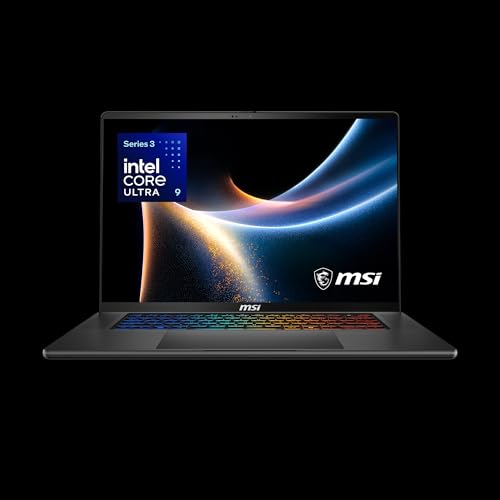
Specs
CPU | Intel Core Ultra 9 386H |
GPU | GeForce RTX 5070 Ti Laptop, 12 GB |
Display | 16in QHD+ OLED, 240 Hz |
Memory | 32 GB DDR5 |
Storage | 1 TB NVMe SSD |
Wireless | Wi-Fi 7 |
Model | B3WH-036US |
CPU
Intel Core Ultra 9 386H
GPU
GeForce RTX 5070 Ti Laptop, 12 GB
Display
16in QHD+ OLED, 240 Hz
Memory
32 GB DDR5
Storage
1 TB NVMe SSD
Wireless
Wi-Fi 7
Model
B3WH-036US
What it does well
The Stealth puts the recommended pairing, a 12 GB RTX 5070 Ti and 32 GB of DDR5, in a slim chassis that fits a backpack. Titan Quest II's co-op is built for a night at a friend's place, and this is the laptop on the list that is easiest to carry there.
The QHD+ OLED at 240 Hz gives the same deep contrast as the AORUS in a lighter machine. Wi-Fi 7 helps on someone else's network, and Amazon sold this config directly when we checked.
What you give up
A slim chassis runs the same GPU at lower power than a thick one, so expect the Stealth to trail the Strix G16 with the same RTX 5070 Ti, and its fans to work harder under a long session. Plan on DLSS at the native QHD+ resolution, and a setting or two lower than the Strix.
It also costs more than the Strix for less sustained performance; you are paying for the thin build. As with any OLED, reports suggest a static HUD is the burn-in case to watch. Our guide to thin and light gaming laptops covers that trade in more depth.
Who it's for
The player who moves the laptop between home and a friend's place for co-op and wants the recommended tier without carrying a desktop replacement.
Bottom line
If you want the recommended spec met in full, buy the ASUS ROG Strix G16 RTX 5070 Ti X3D. If 32 GB matters more than the GPU badge, buy the Alienware 16 Aurora RTX 5070. If you want 16 GB of VRAM and an OLED with no compromises, buy the GIGABYTE AORUS Master 16 RTX 5080. If the budget is tight, the ASUS ROG Strix G16 RTX 5060 clears the minimum at 1200p with DLSS. If the laptop travels to co-op nights, buy the MSI Stealth 16 AI+.
FAQ
Can a gaming laptop run Titan Quest II?
Yes, but it needs more GPU than most action RPGs. The minimum asks for 8 GB of VRAM at RTX 2070 class and 16 GB of memory, which an RTX 5060 laptop meets. The recommended tier wants 12 GB of VRAM and 32 GB, which starts at RTX 5070 Ti laptops. Plan on DLSS at native resolution on any laptop, and keep it plugged in while you play, since gaming laptops cut GPU power on battery.
What are the Titan Quest II system requirements?
The Steam listing shows Windows 10 or 11, a Core i5-8600K or Ryzen 5 2600X, 16 GB of memory and an 8 GB GPU such as the RTX 2070 or RX 6700 XT at minimum. The recommended tier is a Core i5-12400 or Ryzen 5 5600X, 32 GB and a 12 GB card such as the RTX 3070 Ti, RTX 4070 or RX 6800 XT. Both need 50 GB on an SSD. Check the store page again at the January 1.0 launch in case it changes.
Is 16 GB of RAM enough for Titan Quest II?
It meets the minimum, and the game itself used about 11 to 12 GB of system memory in GameGPU's early access test. That leaves little room for Discord, a browser and Windows, which is why the recommended tier asks for 32 GB. A 16 GB laptop runs the game; a 32 GB laptop runs it with everything else open. Four of our five picks ship with 32 GB.
Does Titan Quest II support DLSS on laptops?
Yes. The game shipped early access with DLSS 4, including Multi Frame Generation, and it works on RTX 50 laptops the same way it does on desktops. A June update also added an AMD FSR setting and a frame rate limiter. DLSS upscaling is the setting that makes a 1600p or 2.5K laptop panel practical in this game; frame generation smooths motion but adds input latency.
Is an RTX 5060 laptop enough for Titan Quest II?
For the 1.0 campaign at 1080p or 1200p, yes, with medium to high settings and DLSS. The RTX 5060 has the 8 GB of VRAM the minimum asks for. It is the wrong pairing for a 1600p or OLED panel at high settings, which is why our budget pick uses an FHD+ screen. Laptops below this tier, like many in our budget gaming laptop picks, sit at or below the minimum sheet.
Can you play Titan Quest II on Steam Deck?
It runs, but not well. A Steam Deck review found the game hard to hold at 30 fps even at low settings with upscaling, and the 1.0 console versions target PS5 and Xbox, not handhelds. If portability is the goal, a slim gaming laptop like the MSI Stealth 16 AI+ is the better route, since it meets the recommended sheet rather than falling short of the minimum.
Related Articles

Best Gaming Laptops for Path of Exile 2 (2026): 1.0 Picks
The best gaming laptop for Path of Exile 2 at the free-to-play 1.0 launch: five picks from an RTX 5050 entry point to an RTX 5080, sized for endgame maps.
Nov 25, 2026

Best RTX 5070 Ti Gaming Laptops (2026): TGP-Ranked Picks
The best RTX 5070 Ti gaming laptops of 2026, ranked by the GPU power each chassis sustains. Five picks from 14 to 16 inches, plus the 32GB RAM call to make.
Oct 30, 2026

Best Gaming Laptops With 32GB RAM (2026): 5 TGP Picks
Best gaming laptops with 32GB RAM in 2026, ranked by GPU TGP first. Per-pick memory config (soldered or SO-DIMM) so you know what you can upgrade later.
Aug 9, 2026

Best Gaming Laptops for Baldur's Gate 3 (2026): 4 Picks
The best laptop for Baldur's Gate 3 needs CPU headroom for Act 3's Lower City, 16 GB of RAM and a 150 GB SSD. Four Amazon-sold picks, RTX 5060 to 5070 Ti.
Nov 21, 2026

Best Gaming Laptops for WoW Forever (2026): 5 Launch Picks
The best laptop for WoW Forever pairs raid-ready CPU cores with an 8 GB GPU and 128 GB of free SSD. Five Amazon-sold picks, from an RTX 5050 to an X3D raid rig.
Nov 7, 2026