Affiliate Disclosure: As an Amazon Associate we earn from qualifying purchases. Some links may earn us a commission at no cost to you.

Best CPU for Anno 117: Pax Romana (2026): 5 Late-Game Picks
Anno 117: Pax Romana is easy on a CPU for the first few hours. The trouble starts once a province fills with residences, production chains and trade routes, and the game has to tick every one of them while you scroll across the map. That is where frame rate and 1% lows fall, and where the processor matters more than the graphics card.
So these picks are ranked on a late-game save, not a fresh island. The test that matters here is ComputerBase's endgame run: about 40 hours in, roughly 42,000 citizens, camera zoomed all the way out.
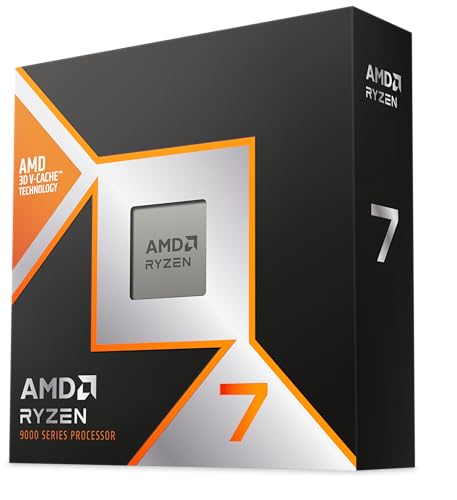
Our top pick: AMD Ryzen 7 9800X3D
The Ryzen 7 9800X3D posted the highest average and the best 1% lows in that endgame save, and its 96 MB of L3 cache is the reason: Anno 117 scales with cache harder than almost any game on the market.
Quick picks
Pick | CPU | Cores / threads | Endgame save (avg FPS) | Buy |
|---|---|---|---|---|
Best Overall | 8 / 16 | 110.2 | ||
Best Value | 8 / 16 | 103.7 | ||
Best Premium | 16 / 32 | 108.8 | ||
Best Budget | 6 / 12 | 78.8 | ||
Editor's Pick | 14 (6P + 8E) / 20 | 81.9 |
Best Overall
- CPU
- Cores / threads
8 / 16
- Endgame save (avg FPS)
110.2
Best Value
- CPU
- Cores / threads
8 / 16
- Endgame save (avg FPS)
103.7
Best Premium
- CPU
- Cores / threads
16 / 32
- Endgame save (avg FPS)
108.8
Best Budget
- CPU
- Cores / threads
6 / 12
- Endgame save (avg FPS)
78.8
Editor's Pick
- CPU
- Cores / threads
14 (6P + 8E) / 20
- Endgame save (avg FPS)
81.9
Specs at a glance
CPU | Cores / threads | Boost clock | L3 cache | Power | Socket |
|---|---|---|---|---|---|
8 / 16 | 5.2 GHz | 96 MB (64 MB 3D V-Cache) | 120 W | AM5 | |
8 / 16 | 5.0 GHz | 96 MB (64 MB 3D V-Cache) | 120 W | AM5 | |
16 / 32 | 5.7 GHz | 128 MB (64 MB 3D V-Cache) | 170 W | AM5 | |
6 / 12 | 5.4 GHz | 32 MB | 65 W | AM5 | |
14 (6P + 8E) / 20 | 5.3 GHz | 24 MB | 125 W / 181 W | LGA 1700 |
- Cores / threads
8 / 16
- Boost clock
5.2 GHz
- L3 cache
96 MB (64 MB 3D V-Cache)
- Power
120 W
- Socket
AM5
- Cores / threads
8 / 16
- Boost clock
5.0 GHz
- L3 cache
96 MB (64 MB 3D V-Cache)
- Power
120 W
- Socket
AM5
- Cores / threads
16 / 32
- Boost clock
5.7 GHz
- L3 cache
128 MB (64 MB 3D V-Cache)
- Power
170 W
- Socket
AM5
- Cores / threads
6 / 12
- Boost clock
5.4 GHz
- L3 cache
32 MB
- Power
65 W
- Socket
AM5
- Cores / threads
14 (6P + 8E) / 20
- Boost clock
5.3 GHz
- L3 cache
24 MB
- Power
125 W / 181 W
- Socket
LGA 1700
Benchmarks
Both charts come from the same ComputerBase run: an endgame save about 40 hours in with roughly 42,000 citizens, the camera fully zoomed out at game speed 3, at 720p with the Ultra High preset on a GeForce RTX 5090 so the CPU is the only limit. Your own numbers will be lower at higher resolutions, but the order holds.
Average frame rate in a late-game save with roughly 42,000 citizens, CPU bound.
- 110.2 FPS
- 103.7 FPS
- 108.8 FPS
- 78.8 FPS
- 81.9 FPS
The 1% low frame rate in the same save; this is where hitching shows when you pan across a busy province.
- 79.9 FPS
- 77.6 FPS
- 79.1 FPS
- 62.8 FPS
- 63.9 FPS
How we picked
Three things decide how a CPU handles Anno 117, in this order.
Cache comes first. The two Ryzen 5 chips PC Games Hardware compared, the 7600X3D and the 7500F, share six cores and the same power limit, and the cache-equipped part ran 72 percent faster. The testers called it the most extreme cache scaling they had seen. Every one of the top six CPUs in their chart carried 3D V-Cache.
Architecture comes second. Zen 3 falls well behind Zen 4 and Zen 5 here, which is why the Ryzen 7 5800X3D, a cache chip, only matched a six-core Ryzen 5 7600X in the endgame save. A newer core with less cache can beat an older core with more.
Core count comes third. The game spreads its work across 12 to 16 cores more evenly than earlier Anno titles, but six modern cores still run it well. Extra cores raise the ceiling for very large saves and for anything you run alongside the game. They do not make a mid-sized province faster on their own.
What did not make the cut: Intel's Core Ultra 200S chips. The Core Ultra 9 285K and Core Ultra 7 265K both landed behind the older Core i5-14600K in the endgame save, so neither earns a slot. For the wider platform decision, see how to choose a CPU and motherboard.
Best Overall: AMD Ryzen 7 9800X3D
Specs
Cores / threads | 8 / 16 |
Max boost clock | 5.2 GHz |
Total L3 cache | 96 MB (64 MB 3D V-Cache) |
TDP | 120 W |
Socket | AM5 |
Architecture | Zen 5 |
Cores / threads
8 / 16
Max boost clock
5.2 GHz
Total L3 cache
96 MB (64 MB 3D V-Cache)
TDP
120 W
Socket
AM5
Architecture
Zen 5
What it does well
This is the fastest chip in the endgame save: 110.2 FPS on average and 79.9 FPS in the 1% lows, ahead of every other CPU ComputerBase ran. It finished 34 percent ahead of the Ryzen 7 9700X, the same eight Zen 5 cores without the stacked cache, which isolates the cache as the thing doing the work.
The 1% lows matter more than the average in a city builder. Hitches show up when you pan across a busy district or open a production overview, and a high floor is what keeps those moments smooth. Zen 5 also moved the cache under the cores, so this chip holds its 5.2 GHz boost where earlier X3D parts had to give up clock speed.
What you give up
Eight cores is the ceiling. Anno 117 can spread work across more, and if you stream or keep heavy apps open while you play, the 16-core Ryzen 9 9950X3D has more room. In the game alone, the extra cores bought nothing measurable in the endgame save.
It is also the most expensive eight-core chip on AM5, and at 4K with a mid-range graphics card the gap to cheaper picks shrinks because the GPU becomes the limit first.
Who it's for
The player who builds a sprawling province and keeps the save going for weeks. Pair it with any current GPU at 1440p and the CPU will not be the reason a late-game session stutters.
Best Value: AMD Ryzen 7 7800X3D

Specs
Cores / threads | 8 / 16 |
Max boost clock | 5.0 GHz |
Total L3 cache | 96 MB (64 MB 3D V-Cache) |
TDP | 120 W |
Socket | AM5 |
Architecture | Zen 4 |
Cores / threads
8 / 16
Max boost clock
5.0 GHz
Total L3 cache
96 MB (64 MB 3D V-Cache)
TDP
120 W
Socket
AM5
Architecture
Zen 4
What it does well
The 7800X3D carries the same 96 MB L3 pool as the 9800X3D and finished within 6 percent of it in the endgame save: 103.7 FPS average and 77.6 FPS in the 1% lows. Those lows sit only about two frames behind the faster chip, which is the part you feel in a late-game province.
Against its own generation the cache is decisive. ComputerBase measured it 41 percent ahead of the Ryzen 5 7600X, and it beat every Intel processor in the test, including the Core i9-14900K. For an AM5 build where the graphics card needs the bigger share of the budget, this is the chip that gives up the least.
What you give up
Clock speed. It boosts to 5.0 GHz against the 9800X3D's 5.2 GHz, and the cache sits on top of the cores, which limits how far it can be pushed. That is the 6 percent gap in the chart. It is also an older Zen 4 part, so you are buying the previous generation on the same socket.
Who it's for
Anyone building a new AM5 machine for city builders and strategy games on a mid-range budget, or an AM5 owner on a Ryzen 5 who wants the cache without changing the board. If you are unsure whether cache pays off in the rest of your library, read whether you need an X3D CPU first.
Best Premium: AMD Ryzen 9 9950X3D

Specs
Cores / threads | 16 / 32 |
Max boost clock | 5.7 GHz |
Total L3 cache | 128 MB (64 MB 3D V-Cache) |
TDP | 170 W |
Socket | AM5 |
Architecture | Zen 5 |
Cores / threads
16 / 32
Max boost clock
5.7 GHz
Total L3 cache
128 MB (64 MB 3D V-Cache)
TDP
170 W
Socket
AM5
Architecture
Zen 5
What it does well
Sixteen cores and the same stacked cache die as the 9800X3D. In the endgame save it ran level with the eight-core chip, 108.8 FPS against 110.2, with 1% lows of 79.1 against 79.9. Anno 117 loads 12 to 16 core chips more evenly than earlier games in the series, so this is the one CPU that keeps headroom if a save grows far past the test's 42,000 citizens.
The other eight cores earn their keep outside the game. Recording a session, rendering video or compiling code on the same machine runs on cores the game is not using.
What you give up
It does not beat the 9800X3D in Anno 117, and it costs a lot more. The extra cache only sits on one of its two core clusters, and reports suggest the game needs the AMD chipset driver and Windows Game Mode in place to keep its threads on the cache side. At 170 W it also asks for a stronger cooler than the eight-core X3D chips.
Who it's for
The player who also works on the machine: streamers, video editors, developers. If the PC only plays games, the 9800X3D gets the same Anno 117 result for less.
Best Budget: AMD Ryzen 5 9600X

Specs
Cores / threads | 6 / 12 |
Max boost clock | 5.4 GHz |
Total L3 cache | 32 MB |
TDP | 65 W |
Socket | AM5 |
Architecture | Zen 5 |
Cores / threads
6 / 12
Max boost clock
5.4 GHz
Total L3 cache
32 MB
TDP
65 W
Socket
AM5
Architecture
Zen 5
What it does well
Six Zen 5 cores at up to 5.4 GHz, and a 65 W rating that a modest air cooler handles. In the endgame save it ran 78.8 FPS on average with 62.8 FPS in the 1% lows, ahead of the Core Ultra 7 265K and Core Ultra 9 285K. ComputerBase's verdict on six cores was plain: they still work well in this game.
It also leaves the platform open. The AM5 board you buy for it takes a Ryzen 7 9800X3D later, so the cache upgrade is a CPU swap, not a rebuild.
What you give up
The cache. With 32 MB of L3, it trailed the 9800X3D by about 40 percent in the same save, and the gap shows most in the 1% lows once a province gets large. Expect more hitching when you sweep across the map late in a long game.
Who it's for
A first build on a tight budget, where the graphics card needs the money more, or a player who mostly runs small and mid-sized saves. Run your planned pair through the bottleneck calculator if you are not sure which part limits you.
Editor's Pick: Intel Core i5-14600K

Specs
Cores / threads | 14 (6P + 8E) / 20 |
Max turbo clock | 5.3 GHz |
L3 cache | 24 MB |
Base / max turbo power | 125 W / 181 W |
Socket | LGA 1700 |
Memory support | DDR4 or DDR5 |
Cores / threads
14 (6P + 8E) / 20
Max turbo clock
5.3 GHz
L3 cache
24 MB
Base / max turbo power
125 W / 181 W
Socket
LGA 1700
Memory support
DDR4 or DDR5
What it does well
The fastest Intel chip for the money in this game. It ran 81.9 FPS on average and 63.9 FPS in the 1% lows in the endgame save, ahead of both Core Ultra 200S chips and only a few frames behind the Core i9-14900K. Fourteen cores and 20 threads give the simulation plenty of room.
It also accepts DDR4 or DDR5 boards, so an existing LGA 1700 owner on a 12th generation chip can drop it in after a BIOS update and keep the memory they already have.
What you give up
The socket has no future. LGA 1700 gets no new processors, so this is the last stop on that board. Raptor Lake chips also went through an instability problem in 2024; Intel shipped microcode fixes for it, and buyers have flagged that a current BIOS should be installed before the chip goes into service. Its 24 MB of L3 is also a quarter of the X3D pool, which is why it sits well behind the AMD cache chips in the chart.
Who it's for
An LGA 1700 owner who wants the most Anno 117 performance without a new board, or a buyer who needs Intel's Quick Sync video encoder for editing work and will accept the cache gap in exchange.
Bottom line
If you want the smoothest late-game province and one CPU decision that lasts, buy the Ryzen 7 9800X3D.
If you are building AM5 on a tighter budget, the Ryzen 7 7800X3D keeps the same cache pool and lands within 6 percent.
If you stream, edit or compile on the same machine, step up to the Ryzen 9 9950X3D for the extra cores.
If the graphics card needs the money more, start on the Ryzen 5 9600X and move to an X3D chip on the same board later.
If you already own an LGA 1700 board, the Core i5-14600K is the strongest drop-in for this game.
Players who also run Cities: Skylines II will find the same pattern in our best CPUs for Cities: Skylines II guide.
FAQ
Does 3D V-Cache help in Anno 117: Pax Romana?
Yes, more than in almost any other game. PC Games Hardware compared two six-core Ryzen 5 chips with the same power limit, and the 7600X3D ran 72 percent faster than the 7500F purely on cache. In ComputerBase's endgame save, the Ryzen 7 9800X3D led the Ryzen 7 9700X, the same cores without stacked cache, by 34 percent. If Anno is a main game for you, an X3D chip is the upgrade that pays off most.
How many CPU cores does Anno 117 use?
It spreads work across 12 to 16 cores more evenly than earlier Anno games, but the extra cores add little on their own. Six modern cores, like the Ryzen 5 9600X, still run it well. The 16-core Ryzen 9 9950X3D tied the eight-core 9800X3D in the endgame save. Cache and architecture move the result more than core count does, so buy cores for what else you do on the PC.
Is Anno 117 CPU bound or GPU bound?
Both, at different points. The renderer is demanding, so at 1440p and 4K a mid-range graphics card sets the frame rate early in a game. As a province grows, the simulation takes over and the CPU becomes the limit, especially in the 1% lows when you pan across busy districts. Size the GPU to your resolution, then put the rest of the budget into a cache-heavy CPU.
Why does Anno 117 slow down in the late game?
Every residence, production chain, ship and trade route adds work the CPU has to process on each tick, so the load grows with the province while your hardware stays the same. The slowdown shows as lower 1% lows and hitching during camera moves. A CPU with a large L3 cache keeps more of that simulation data close to the cores, which is why the X3D chips hold up best in late saves.
What are the Anno 117 CPU requirements?
Ubisoft's minimum is a Core i7-7700 or Ryzen 5 1600 for 1080p at 30 FPS on low settings, and the CPU must support AVX2. The game also requires an SSD. Ubisoft's 4K tier calls for a Core i7-13700K or Ryzen 7 7700X. Those figures describe a fresh game, so plan for more CPU than the published tier if you intend to build a large province.
How much RAM do you need for Anno 117?
Sixteen gigabytes runs the game, and it is what Ubisoft lists for its 1080p tiers. Large late-game saves hold a lot of simulation state in memory, so 32 GB of DDR5 is the sensible target for a new build. Run two matched sticks in dual channel and enable the EXPO or XMP profile in the BIOS, because memory running at default speed costs frame rate in a CPU-bound game.
Related Articles

Best CPU for Cities: Skylines II (2026): 5 Picks by Tier
The best CPU for Cities: Skylines II is the one that holds full simulation speed as your city grows. Five picks ranked by the city size each sustains.
Sep 18, 2026

Best CPU for Factorio (2026): 5 Picks Ranked by UPS
The best CPU for Factorio is the one that holds 60 UPS as your megabase grows. Five picks ranked by cache, clock speed and the base size each one sustains.
Nov 17, 2026

Do You Need an X3D CPU for Gaming? 2026 Buyer's Verdict
Do you need an X3D CPU for gaming? For most builds at 1440p and 4K, no. Here is the resolution, GPU, and library test that decides, plus three AM5 picks.
Aug 13, 2026

How Many CPU Cores Do You Need for Gaming? 6 vs 8 (2026)
How many CPU cores do you need for gaming in 2026? Eight for most builds, six on a budget, 12 to 16 only if you stream or render. One Ryzen pick per lane.
Nov 15, 2026

Best CPU for MSFS 2024 in 2026: 5 X3D and Intel Picks
Best CPU for MSFS 2024: the Ryzen 7 9800X3D holds 1% lows at photogrammetry hubs where non-X3D chips stutter. Five picks by tier, plus the Intel path.
Aug 29, 2026