Affiliate Disclosure: As an Amazon Associate we earn from qualifying purchases. Some links may earn us a commission at no cost to you.

Best CPUs for World of Warcraft 2026: 5 Picks by Tier
World of Warcraft runs fine almost everywhere. Then you walk into a capital city on a raid night, or you pull a 20-player Mythic boss, and the frame counter falls off a cliff. That drop is usually not your graphics card. It is your processor reaching past its cache into main memory while the addon layer churns.
So this list leans on one number: L3 cache. AMD's X3D chips carry three times the cache of a standard Ryzen, and WoW rewards that more than almost any other game. Five picks below, sorted by how deep into endgame you play.
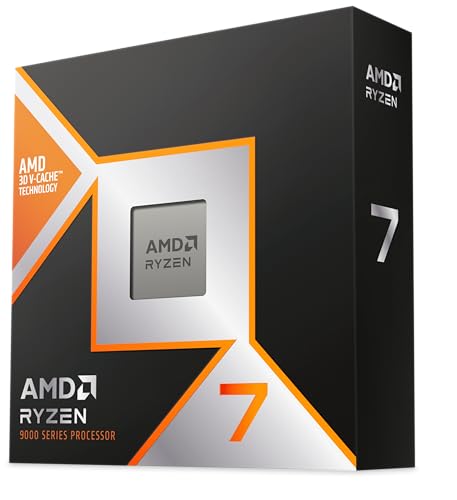
Our top pick: AMD Ryzen 7 9800X3D
The AMD Ryzen 7 9800X3D pairs a 96 MB cache pool with clocks that no longer trail the standard 9000-series parts, and that combination holds the highest frame floor here once a city or a raid fills up.
Quick picks
Pick | CPU | Best for | Buy |
|---|---|---|---|
Best Overall | Mythic raiding and high keys | ||
Best Value | Serious raiding on a graphics-first budget | ||
Best Premium | Raiding plus streaming or content work | ||
Best Budget | Questing, Heroic dungeons, Normal raid | ||
Editor's Pick | Cache-first upgrade on a tight budget |
Best Overall
- CPU
- Best for
Mythic raiding and high keys
- Buy
Best Value
- CPU
- Best for
Serious raiding on a graphics-first budget
- Buy
Best Premium
- CPU
- Best for
Raiding plus streaming or content work
- Buy
Best Budget
- CPU
- Best for
Questing, Heroic dungeons, Normal raid
- Buy
Editor's Pick
- CPU
- Best for
Cache-first upgrade on a tight budget
- Buy
Specs at a glance
CPU | Cores / threads | Boost clock | L3 cache | TDP | Socket |
|---|---|---|---|---|---|
8C / 16T | 5.2 GHz | 96 MB | 120 W | AM5 | |
8C / 16T | 5.0 GHz | 96 MB | 120 W | AM5 | |
16C / 32T | 5.7 GHz | 128 MB | 170 W | AM5 | |
6C / 12T | 5.3 GHz | 32 MB | 105 W | AM5 | |
6C / 12T | 4.7 GHz | 96 MB | 65 W | AM5 |
- Cores / threads
8C / 16T
- Boost clock
5.2 GHz
- L3 cache
96 MB
- TDP
120 W
- Socket
AM5
- Cores / threads
8C / 16T
- Boost clock
5.0 GHz
- L3 cache
96 MB
- TDP
120 W
- Socket
AM5
- Cores / threads
16C / 32T
- Boost clock
5.7 GHz
- L3 cache
128 MB
- TDP
170 W
- Socket
AM5
- Cores / threads
6C / 12T
- Boost clock
5.3 GHz
- L3 cache
32 MB
- TDP
105 W
- Socket
AM5
- Cores / threads
6C / 12T
- Boost clock
4.7 GHz
- L3 cache
96 MB
- TDP
65 W
- Socket
AM5
Benchmarks
Same graphics card, memory, and settings across both runs. L3 cache was the only variable.
- Ryzen 7 9800X3D142 FPS
- Ryzen 9 9950X (non-X3D reference)98 FPS
Why cache beats clock speed in WoW
WoW's engine is old and its performance profile shows it. Most of the work in a busy scene is single-threaded draw-call submission plus the Lua layer that drives your entire interface. Every nameplate, every WeakAura, every damage meter is Lua, and Lua allocates and frees memory constantly. When garbage collection runs mid-fight, the processor goes looking for data. If that data sits in L3 cache the trip costs a few nanoseconds. If it has fallen out to main memory the trip costs an order of magnitude more, and you see it as a stutter.
That is the whole argument for 3D V-Cache. A standard Ryzen 5 or 7 carries 32 MB of L3. An X3D part carries 96 MB. Three times the pool means far fewer trips out to memory, and the benefit lands exactly where WoW hurts: high player density, heavy spell effects, and long fights where the addon layer has been churning for minutes.
Two rules follow. Buy cache before you buy clocks: a chip with a lower boost and 96 MB of L3 beats a faster chip with 32 MB in a packed capital, and the gap widens as the scene gets busier. We broke down how X3D and non-X3D Ryzen chips diverge if you want the general case.
Then check that the processor is the thing holding you back. If you quest at 4K on a mid-tier graphics card and never step into Mythic content, your frames are set by the GPU and cache changes nothing. Two build notes for AM5. Run DDR5-6000 CL30, which is a small step up from a slower kit and feeds the cache-starved moments that remain. And do not buy a top-tier board to match the chip: a decent B650 or B850 feeds any processor here without throttling, and the money saved belongs in the graphics card. Laptop buyers face the same question in a harsher form, because mobile chips throttle where desktop parts hold clocks. Our guide to gaming laptops for WoW Forever ranks on core count and sustained power rather than on the graphics tier printed on the lid.
Best Overall: AMD Ryzen 7 9800X3D
Specs
Cores / threads | 8C / 16T |
Boost clock | 5.2 GHz |
L3 cache | 96 MB (second-gen 3D V-Cache) |
TDP | 120 W |
Socket | AM5 |
Memory | DDR5-5600 official, 6000 CL30 sweet spot |
Cooler included | No |
Cores / threads
8C / 16T
Boost clock
5.2 GHz
L3 cache
96 MB (second-gen 3D V-Cache)
TDP
120 W
Socket
AM5
Memory
DDR5-5600 official, 6000 CL30 sweet spot
Cooler included
No
What it does well
The second-generation V-Cache layout is the reason this chip exists. AMD moved the cache underneath the cores instead of stacking it on top, so heat escapes the way it does on a standard Ryzen. The result is a part that boosts to 5.2 GHz and still carries the full 96 MB pool.
In practice that means the highest sustained frame floor on this list. One comparison run in Valdrakken at peak population, with more than 40 players on screen, held 142 fps on the 9800X3D against 98 fps for a non-X3D Ryzen 9 on the same graphics card, memory, and settings. Cache was the only variable.
Eight cores also buys slack. A full addon suite, Discord, a browser with three guides open, and the game itself all fit without the encounter losing frames. For the longer read on whether the 9800X3D earns its price outside of WoW, we covered that separately.
What you give up
It is the expensive answer to a problem the Ryzen 5 7600X3D solves most of the way. If WoW is most of your library and you are not pushing high keys, the performance gap between this and the cheaper V-Cache parts is narrower than the gap in what you pay.
It also does nothing for a graphics-bound setup. Questing at 4K on a mid-tier card looks the same on any chip here. And there is no cooler in the box, so budget for one.
Who it's for
Mythic raiders and Mythic+ pushers on a 1440p high-refresh panel with a strong graphics card already in the case. If your evenings are spent in dense content, this is the floor you want under you.
Best Value: AMD Ryzen 7 7800X3D

Specs
Cores / threads | 8C / 16T |
Boost clock | 5.0 GHz |
L3 cache | 96 MB (first-gen 3D V-Cache) |
TDP | 120 W |
Socket | AM5 |
Memory | DDR5-5200 official, 6000 CL30 sweet spot |
Cooler included | No |
Cores / threads
8C / 16T
Boost clock
5.0 GHz
L3 cache
96 MB (first-gen 3D V-Cache)
TDP
120 W
Socket
AM5
Memory
DDR5-5200 official, 6000 CL30 sweet spot
Cooler included
No
What it does well
Same cache pool, lower clock, same socket. In a game that is bound by cache rather than frequency, that trade barely registers. A 20-player Mythic encounter held 144 fps average on this chip, with the busiest moments dipping to 98.
It drops into any existing AM5 board with a BIOS update, which makes it the natural upgrade for anyone already on a 7600 or 7700. Sustained draw is low enough that a mid-range tower cooler keeps it quiet through a four-hour raid night, and the money saved against the 9800X3D goes into the graphics card.
What you give up
The lower boost clock costs it in the parts of your library that are not cache-bound. First-generation V-Cache sits on top of the cores rather than under them, so thermal headroom is tighter and PBO tuning has less room to work with.
It is also two generations old. The platform tail is shorter than the 9800X3D's, and buyers have flagged that these chips run warm under sustained load with a weak cooler. Pair it with a real tower cooler, not the cheapest one on the shelf.
Who it's for
The raider building or upgrading to a fixed total budget, where the graphics card still needs money. You give up a few frames at the ceiling and keep the cache advantage where it counts.
Best Premium: AMD Ryzen 9 9950X3D

Specs
Cores / threads | 16C / 32T |
Boost clock | 5.7 GHz |
L3 cache | 128 MB total, 96 MB V-Cache on the gaming CCD |
TDP | 170 W |
Socket | AM5 |
Memory | DDR5-5600 official |
Cooler included | No |
Cores / threads
16C / 32T
Boost clock
5.7 GHz
L3 cache
128 MB total, 96 MB V-Cache on the gaming CCD
TDP
170 W
Socket
AM5
Memory
DDR5-5600 official
Cooler included
No
What it does well
One chiplet carries the 96 MB V-Cache pool and feeds the game. The other carries eight standard cores and absorbs everything else. That split is why this is the only part here that covers a raid night and a render queue without asking you to pick one.
Stream WoW while you raid, encode the VOD after, and leave a compile or an export running in the background. None of it lands on the cache-fed cores, so the game keeps its frames. In WoW specifically it tracks the 9800X3D, because the gaming chiplet is carrying the same cache pool.
What you give up
For WoW alone it does not beat the 9800X3D. The extra spend buys productivity, not frames, and if your answer to what else you do on this machine is a shrug, buy the eight-core part instead.
It pulls real sustained power, so it wants a stronger board and better cooling than either eight-core X3D. Reports suggest CCD scheduling still occasionally parks the game on the wrong chiplet after a driver update. Our guide on picking the board to pair with it covers the VRM floor this chip needs.
Who it's for
The raider who also streams, edits, compiles, or runs virtual machines on the same box. If the machine has a second job, this is the chip that does both jobs properly.
Best Budget: AMD Ryzen 5 7600X

Specs
Cores / threads | 6C / 12T |
Boost clock | 5.3 GHz |
L3 cache | 32 MB |
TDP | 105 W |
Socket | AM5 |
Memory | DDR5-5200 official, 6000 CL30 sweet spot |
Cooler included | No |
Cores / threads
6C / 12T
Boost clock
5.3 GHz
L3 cache
32 MB
TDP
105 W
Socket
AM5
Memory
DDR5-5200 official, 6000 CL30 sweet spot
Cooler included
No
What it does well
This is the honest floor. It clocks high, so questing, Heroic dungeons, battlegrounds, and Normal raid all feel fine. Nothing about WoW outside of peak-density content asks for more than six fast cores.
The real argument is the socket. Buying AM5 now means the upgrade to a 7600X3D or a 9800X3D later is a chip swap and a BIOS update, not a new board and new memory. If you are not sure yet whether an X3D chip is the wrong buy for how you play, this is the low-risk way to find out.
What you give up
32 MB of L3 is a third of what the V-Cache parts carry, and that shortfall is exactly what opens up in a packed capital or a 20-player pull. Expect the widest frame-time swings of anything on this list once the scene fills.
Six cores also leaves less slack for a heavy addon setup running alongside voice comms and a browser. And the Ryzen 5 7600 and 7600X listings look almost identical at a glance, so check the model number on the listing before you buy. Input is the other half of a comfortable setup. Our guide to the best controller for WoW Forever covers which pads free up enough binds for a full raid kit.
Who it's for
The player who mostly quests, runs Heroic dungeons, and raids Normal, on a 1080p or 1440p 144 Hz panel, with a total budget that has to stretch across a graphics card too.
Editor's Pick: AMD Ryzen 5 7600X3D

Specs
Cores / threads | 6C / 12T |
Boost clock | 4.7 GHz |
L3 cache | 96 MB (3D V-Cache) |
TDP | 65 W |
Socket | AM5 |
Memory | DDR5-5200 official, 6000 CL30 sweet spot |
Cooler included | No |
Cores / threads
6C / 12T
Boost clock
4.7 GHz
L3 cache
96 MB (3D V-Cache)
TDP
65 W
Socket
AM5
Memory
DDR5-5200 official, 6000 CL30 sweet spot
Cooler included
No
What it does well
Six cores instead of eight, and the same 96 MB cache pool as the 7800X3D. For a game whose bottleneck is cache misses rather than core count, that is the cheapest way to buy the thing that moves frame times.
It lands slightly behind the 7800X3D in WoW while carrying identical L3, which tells you how much of the X3D advantage is the cache and how little is the clock. A 65 W rating keeps it cool and quiet on a modest air cooler, and it turns the V-Cache decision into a budget-tier question rather than an enthusiast-tier one.
What you give up
Two fewer cores shows up when a heavy addon suite, Discord, a browser, and a stream overlay all run at once. The lower boost clock also costs it outside cache-bound titles, so a mixed library is better served by the eight-core parts.
Availability on this SKU has been uneven since launch. The listing also states plainly that no heatsink is included, so add a cooler to the cart at the same time.
Who it's for
The player upgrading an older AM5 board, or building fresh on a real budget, who runs enough endgame content to feel the cache difference. This is the highest-leverage part on the list for the money.
Bottom line
If you raid Mythic or push high keys, buy the AMD Ryzen 7 9800X3D and stop thinking about it. If you raid seriously but the graphics card still needs money, the AMD Ryzen 7 7800X3D gets you most of the way for less. If the machine also streams or edits, the AMD Ryzen 9 9950X3D is the only chip here that covers both jobs properly. If the budget is tight and you play enough endgame to feel it, the AMD Ryzen 5 7600X3D is the highest-leverage part on this list. And if WoW is mostly questing and Heroic dungeons for you, the AMD Ryzen 5 7600X is cheap, honest, and leaves the socket open for later. Once the chip is sorted, an MMO mouse worth pairing with it is the next upgrade that changes how the game feels.
FAQ
Is the Ryzen 7 9800X3D overkill for World of Warcraft?
Not if you raid Mythic or push high Mythic+ keys. Those are the two scenarios where WoW is bound by the CPU rather than the graphics card, and the 9800X3D holds the highest frame floor of anything you can buy for it. It is overkill if your WoW time is mostly questing, Heroic dungeons, and the occasional Normal raid. In that case the Ryzen 5 7600X3D carries the same cache pool for far less, and the savings do more good in the graphics card.
Does World of Warcraft use more than six CPU cores?
It uses them, but not evenly. The heavy work in a busy scene is single-threaded draw-call submission plus the Lua layer that runs your interface, and those two do not spread across cores well. Six fast cores are enough for the game itself. The reason eight helps is everything around it: addons, voice comms, a browser, and a stream overlay all want CPU time, and on a six-core chip they compete with the encounter.
Will a better CPU fix low FPS in capital cities?
In most cases yes, because a packed capital is the single most CPU-bound thing in the game. Player models, nameplates, and the addon layer all pile onto one thread while the memory subsystem thrashes. A chip with 96 MB of L3 absorbs a large share of that. What a CPU will not fix is a low frame rate everywhere, including empty zones. That pattern points at the graphics card or at settings, not the processor.
Is Intel or AMD better for World of Warcraft?
AMD, and the reason is narrow rather than general. Intel's current parts clock higher and hold their own in plenty of games, but WoW rewards cache more than frequency, and nothing Intel ships matches a 96 MB V-Cache pool. In crowded scenarios Intel chips fall behind despite the clock advantage. Outside dense content the two are much closer, so this is a WoW answer, not a blanket one.
Do you need an X3D CPU for WoW if you only quest and run dungeons?
No. Open-world questing and five-player dungeons rarely put enough players and spell effects on screen to exhaust a standard 32 MB cache. A Ryzen 5 7600X handles that content comfortably, and on AM5 you keep the option to drop in a V-Cache chip later without changing anything else. Buy the cache when your play pattern changes, not before.
Related Articles

Is the Ryzen 7 9800X3D Worth It in 2026? Buy or Skip
Buy the Ryzen 7 9800X3D for 360Hz shooters, sim racing and heavy strategy. Skip it at 1440p on a mid-tier GPU. Full 2026 verdict vs the 9600X and 9850X3D.
Aug 26, 2026

Do You Need an X3D CPU for Gaming? 2026 Buyer's Verdict
Do you need an X3D CPU for gaming? For most builds at 1440p and 4K, no. Here is the resolution, GPU, and library test that decides, plus three AM5 picks.
Aug 13, 2026

X3D vs Non-X3D for Gaming (2026): 3 Picks by Player Type
X3D vs non-X3D for gaming: which Ryzen earns the cache premium. One pick each for esports, AAA at 1440p/4K, and sim or strategy, plus when to skip X3D.
Sep 8, 2026

How to Choose a CPU and Motherboard
The buyer's framework for picking a CPU and motherboard pair: use case first, socket second, chip tier third, then the board class that matches.
May 17, 2026

Best MMO Mice 2026: World of Warcraft, FFXIV & More
Find the best MMO mice for WoW, FFXIV, and other MMOs in 2026—featuring top picks for macros, comfort, and long gaming sessions.
Aug 13, 2025