Affiliate Disclosure: As an Amazon Associate we earn from qualifying purchases. Some links may earn us a commission at no cost to you.

Best CPUs for the RTX 5080 (2026): 5 No-Bottleneck Picks
An RTX 5080 is fast enough that the processor question stops being about raw speed and starts being about resolution. At 4K the card is the limit and almost any current chip keeps up with it. Drop to 1440p and a gap opens. Drop to 1080p on a high-refresh panel and the processor decides your 1% lows.
So the right answer depends on the monitor in front of you, not on a percentage from a calculator. Below are five picks by build intent, each with the measured scaling that justifies it, and a straight answer on where the extra CPU money stops buying frames.
Our top pick: AMD Ryzen 7 9800X3D
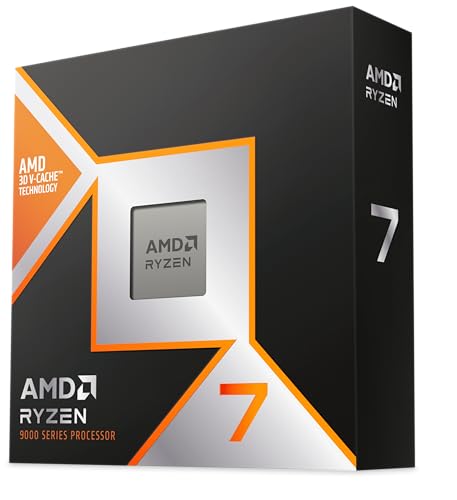
The Ryzen 7 9800X3D holds the top of the gaming charts on the strength of its 96 MB L3 cache. On a 5080 that cache is what protects your 1% lows in the titles that genuinely strain a processor, and it costs less than the 16-core option that ties it in games.
Quick picks
Pick | CPU | Best for | Buy |
|---|---|---|---|
Best Overall | 1080p and 1440p high refresh | ||
Best Value | X3D behavior for less | ||
Best Premium | Gaming plus real production work | ||
Best Budget | 4K first, upgrade later | ||
Editor's Pick | QuickSync encode workflows |
Best Overall
- CPU
- Best for
1080p and 1440p high refresh
- Buy
Best Value
- CPU
- Best for
X3D behavior for less
- Buy
Best Premium
- CPU
- Best for
Gaming plus real production work
- Buy
Best Budget
- CPU
- Best for
4K first, upgrade later
- Buy
Editor's Pick
- CPU
- Best for
QuickSync encode workflows
- Buy
Specs at a glance
CPU | Cores / threads | Boost | L3 cache | TDP | Socket |
|---|---|---|---|---|---|
8 / 16 | 5.2 GHz | 96 MB | 120 W | AM5 | |
8 / 16 | 5.0 GHz | 96 MB | 120 W | AM5 | |
16 / 32 | 5.7 GHz | 128 MB | 170 W | AM5 | |
6 / 12 | 5.4 GHz | 32 MB | 65 W | AM5 | |
20 / 20 | 5.5 GHz | 30 MB | 125 W | LGA1851 |
- Cores / threads
8 / 16
- Boost
5.2 GHz
- L3 cache
96 MB
- TDP
120 W
- Socket
AM5
- Cores / threads
8 / 16
- Boost
5.0 GHz
- L3 cache
96 MB
- TDP
120 W
- Socket
AM5
- Cores / threads
16 / 32
- Boost
5.7 GHz
- L3 cache
128 MB
- TDP
170 W
- Socket
AM5
- Cores / threads
6 / 12
- Boost
5.4 GHz
- L3 cache
32 MB
- TDP
65 W
- Socket
AM5
- Cores / threads
20 / 20
- Boost
5.5 GHz
- L3 cache
30 MB
- TDP
125 W
- Socket
LGA1851
Where the CPU stops mattering on a 5080
Resolution and preset | What the CPU decides | 9800X3D lead over a six-core |
|---|---|---|
1080p, medium | Most of the frame rate | About 4% on average, far more in the heaviest CPU titles |
1080p, ultra | A real margin | About 10% |
1440p, medium | A little | Converging as the card takes over |
1440p, ultra | Almost nothing | About 9%, and near zero outside CPU-heavy titles |
4K, ultra | Nothing | Identical, fully GPU-bound |
1080p, medium
- What the CPU decides
Most of the frame rate
- 9800X3D lead over a six-core
About 4% on average, far more in the heaviest CPU titles
1080p, ultra
- What the CPU decides
A real margin
- 9800X3D lead over a six-core
About 10%
1440p, medium
- What the CPU decides
A little
- 9800X3D lead over a six-core
Converging as the card takes over
1440p, ultra
- What the CPU decides
Almost nothing
- 9800X3D lead over a six-core
About 9%, and near zero outside CPU-heavy titles
4K, ultra
- What the CPU decides
Nothing
- 9800X3D lead over a six-core
Identical, fully GPU-bound
TechSpot ran a CPU and GPU scaling benchmark pairing the Ryzen 7 9800X3D against the six-core Ryzen 5 7600X across several graphics cards, the RTX 5080 among them. The pattern holds across the test suite. At 1080p the processor carries real weight and the heaviest CPU titles stretch the gap into double digits. By 1440p ultra the card has taken over. At 4K the two chips post the same numbers, because nothing about the processor is in the way any more.
That is the whole buying decision in one table. If you bought a 5080 to run 4K, the processor choice is a decision about everything except frame rate, and the money belongs in the monitor you pair with it instead.
Benchmarks
Act 3 in Baldur's Gate 3 is one of the heaviest processor loads reviewers test, which is why the cache generations separate here.
- 155 FPS
- 155 FPS
- 119 FPS
The premium 16-core and the eight-core gaming chip land within a rounding error of each other across a full suite.
- 195.5 FPS
- 194.8 FPS
How we picked
The graphics card comes first and everything else flexes around it. That is the order for a fresh build, and it is the order here: the 5080 is already chosen, so the processor gets sized to avoid holding it back at the resolution you play at, and no further. Buying past that line is money that would do more work in the panel, the drive or the cooler.
Cache matters more than core count for this job. Every pick above is judged on how it behaves in titles where the processor is the limit, which in practice means sims, strategy, MMO content at scale, factory builders and competitive shooters. In a console-port-heavy library at 1440p and up, the differences collapse and the cheaper chips look identical in real play.
Platform choice is AM5 by default. The socket has runway, the X3D line has no equivalent on the other side, and idle power is lower. Intel earns a place here only for a hardware encode workflow, which is why the one Intel pick is the model with integrated graphics rather than the cheaper F variant.
Board and memory follow the same restraint. A B-tier board handles any of these chips in a single-GPU gaming build, including the 16-core, and our board picks for the lead chip all sit in that tier. Memory is the one place to spend: DDR5-6000 CL30 is the floor on AM5, not 5600, and the uplift in CPU-bound titles is larger than most processor tier jumps deliver. If you want the full framework, how to choose a CPU and motherboard walks through it.
Best Overall: AMD Ryzen 7 9800X3D
Specs
Cores / threads | 8 cores, 16 threads |
Boost clock | 5.2 GHz |
L3 cache | 96 MB (2nd-gen 3D V-Cache) |
TDP | 120 W |
Socket | AM5 |
Memory | DDR5, EXPO 6000 CL30 sweet spot |
Cooler included | No |
Cores / threads
8 cores, 16 threads
Boost clock
5.2 GHz
L3 cache
96 MB (2nd-gen 3D V-Cache)
TDP
120 W
Socket
AM5
Memory
DDR5, EXPO 6000 CL30 sweet spot
Cooler included
No
What it does well
The 96 MB L3 cache is the whole argument. In sim, strategy, MMO and pinned-engine titles the processor spends its time waiting on memory, and a cache pool that large keeps more of the working set close to the cores. GamersNexus put this chip at the top of its 16-game geometric mean at 1080p, at 195.5 FPS across High and Ultra presets.
It also runs cool for a chip at the top of the stack. A 120 W part on a decent tower air cooler holds boost clocks without drama, and the AM5 socket still has runway, so the board you buy now is a board you can put a newer chip into later.
What you give up
Eight cores is eight cores. If your second job on this machine is a long Blender render or a big compile queue, the 16-core option below finishes the work in half the wall time and the 9800X3D cannot close that gap.
There is no bundled cooler, so budget one. And at 4K on a 5080 this chip produces the same frames as parts costing far less, because nothing about the processor is in the way at that resolution.
Who it's for
The 1440p 144 Hz or 1080p high-refresh 5080 owner whose library leans on flight sims, sim racing, 4X and grand strategy, MMO raid content, factory builders, or a competitive shooter where 1% lows decide whether a fight feels fair. That is the buyer the cache was built for, and the one who feels it every session.
Best Value: AMD Ryzen 7 7800X3D

Specs
Cores / threads | 8 cores, 16 threads |
Boost clock | 5.0 GHz |
L3 cache | 96 MB (1st-gen 3D V-Cache) |
TDP | 120 W |
Socket | AM5 |
Memory | DDR5, EXPO 6000 CL30 sweet spot |
Cooler included | No |
Cores / threads
8 cores, 16 threads
Boost clock
5.0 GHz
L3 cache
96 MB (1st-gen 3D V-Cache)
TDP
120 W
Socket
AM5
Memory
DDR5, EXPO 6000 CL30 sweet spot
Cooler included
No
What it does well
Same cache pool, same socket, same DDR5 kit. Nothing else in the build changes when you step down to this chip, which is what makes it the value pick rather than a compromise pick. The V-cache behavior that separates X3D parts from every non-X3D Ryzen in sim and strategy titles is still here.
Lower clocks also mean lower heat, so a mid-tier tower cooler is plenty and the case does not need a rethink.
What you give up
The older cache layout and the lower boost clock show up wherever the processor is doing real work. GamersNexus measured 119 FPS in Baldur's Gate 3 at 1080p Medium against 155 FPS for the 9800X3D. That is the widest gap in this set and a fair warning that the value pick is a genuine step down when the CPU is the limit.
PBO headroom is thinner too, because on this generation the cache die sits above the cores and caps the thermal ceiling. Buyers have also flagged that supply and pricing have been uneven since the newer chip landed, so the value case moves around week to week.
Who it's for
The buyer who wants X3D behavior on a 5080 build and would rather put the saved money into the panel or a second drive. At 1440p and above that trade is usually the right one.
Best Premium: AMD Ryzen 9 9950X3D

Specs
Cores / threads | 16 cores, 32 threads |
Boost clock | 5.7 GHz |
L3 cache | 128 MB total (3D V-Cache on one CCD) |
TDP | 170 W |
Socket | AM5 |
Memory | DDR5, EXPO 6000 CL30 sweet spot |
Cooler included | No |
Cores / threads
16 cores, 32 threads
Boost clock
5.7 GHz
L3 cache
128 MB total (3D V-Cache on one CCD)
TDP
170 W
Socket
AM5
Memory
DDR5, EXPO 6000 CL30 sweet spot
Cooler included
No
What it does well
This is the only chip that gives a 5080 build X3D gaming behavior and a real 16-core production ceiling at the same time. One CCD carries the stacked cache for games, the other carries eight more cores for renders, exports and compiles.
In gaming it sits level with the 9800X3D rather than behind it, which is the part that matters here. You are not trading frames for cores.
What you give up
Frames, essentially none of them, and that is the problem if gaming is the only workload. GamersNexus put the 16-game 1080p geometric mean at 194.8 FPS for this chip against 195.5 FPS for the 9800X3D. That is a tie, not an upgrade.
It pulls 170 W sustained, which raises the cooling floor and the VRM floor for the rest of the build. Reaching for 16 cores because more cores sound better, when the productivity workload is weekend Photoshop, is the wrong direction. Reports also suggest the split-CCD layout depends on an up-to-date chipset driver to keep games landing on the cache die.
Who it's for
The buyer whose second use case is paid work rather than a hobby. If you are already looking at the tier above for a bigger card, this is the chip that carries either build.
Best Budget: AMD Ryzen 5 9600X

Specs
Cores / threads | 6 cores, 12 threads |
Boost clock | 5.4 GHz |
L3 cache | 32 MB |
TDP | 65 W |
Socket | AM5 |
Memory | DDR5, EXPO 6000 CL30 sweet spot |
Cooler included | No |
Cores / threads
6 cores, 12 threads
Boost clock
5.4 GHz
L3 cache
32 MB
TDP
65 W
Socket
AM5
Memory
DDR5, EXPO 6000 CL30 sweet spot
Cooler included
No
What it does well
At 4K this six-core feeds a 5080 to the same frame rate as anything above it, because the card is the limit and the processor never becomes one. That is the honest answer to the bottleneck question, and it is the reason this pick exists.
It is a current-generation Zen 5 part at 65 W on the same AM5 socket, so the board and the memory carry forward. Drop an X3D chip in later and the rest of the build does not move.
What you give up
The 32 MB cache pool is a third of what the X3D parts carry, and that is exactly where the gap opens. TechPowerUp measured this chip trailing the 7800X3D by 8.5% across its 1080p suite, and the cache-heavy outliers are worse than that average suggests.
Six cores also leaves less room for a background stream, a heavy browser session, or a recording pass running alongside the game. If your monitor is a 1080p high-refresh panel, this is the pick that costs you the most.
Who it's for
The buyer stretching to afford the card itself, playing at 4K or 1440p, who plans to upgrade the processor later. If your target is a step down in graphics, the tier below covers the same ladder with cheaper picks throughout.
Editor's Pick: Intel Core Ultra 7 265K

Specs
Cores / threads | 20 cores (8 P + 12 E), 20 threads |
Boost clock | 5.5 GHz |
L3 cache | 30 MB |
Base power | 125 W |
Socket | LGA1851 |
Integrated graphics | Yes, with QuickSync |
Memory | DDR5-6400 |
Cores / threads
20 cores (8 P + 12 E), 20 threads
Boost clock
5.5 GHz
L3 cache
30 MB
Base power
125 W
Socket
LGA1851
Integrated graphics
Yes, with QuickSync
Memory
DDR5-6400
What it does well
There is one configuration where Intel is the right call on a 5080 build, and it is a QuickSync encode workflow. Hardware H.264 and H.265 encode on Intel's integrated media engine still clears AMD's encoder for Premiere and Resolve proxy passes, and 20 cores chew through the export queue behind it.
The integrated graphics have a second use as well. When the card goes out for RMA, the machine still posts and still drives a display.
What you give up
Gaming frames. GamersNexus measured Arrow Lake's flagship at 170 FPS in Cyberpunk 2077 at 1080p Medium against 219 FPS for the X3D parts, and this chip sits below that flagship. At 1080p and 1440p you are giving up a visible margin to save on the encode side.
LGA1851 also has no announced upgrade runway, so the board is a one-generation stop rather than a platform. And watch the model code: the KF variant is usually the cheaper listing and deletes the integrated graphics, which removes the only reason to pick Intel here.
Who it's for
The creator-hybrid buyer whose encode workflow is the reason the machine exists and whose gaming is the second use case. If that is backwards for you, the X3D picks above are the answer.
Bottom line
If you game at 1440p or 1080p on a high-refresh panel, buy the Ryzen 7 9800X3D and stop there. If the budget is tight and the library is console-port heavy, the Ryzen 7 7800X3D gets you most of it. If the machine also earns money in a render queue, the Ryzen 9 9950X3D is the only pick that does both jobs. If you play at 4K and nothing else, the Ryzen 5 9600X feeds the card just fine and you can upgrade later. And if your workflow lives in QuickSync, the Intel Core Ultra 7 265K is the one Intel chip that earns the slot.
Whichever way you go, size the power supply to the card rather than the processor. Our 850W ATX 3.1 picks cover the safe default, and if you are trying to reuse an existing unit, we worked through whether 750W clears it separately.
FAQ
What CPU should you pair with an RTX 5080?
For most buyers the Ryzen 7 9800X3D is the answer. Its 96 MB cache produces the highest 1% lows of anything in this price class, which is what you feel at 1440p and 1080p high refresh. If you play exclusively at 4K, a cheaper six-core feeds the card to the same frame rate, so the choice becomes a question of what else the machine does.
Does the Ryzen 5 9600X bottleneck an RTX 5080?
At 4K, no. The card is the limit and the processor never becomes one. At 1440p the gap is small and shows mainly in cache-heavy titles. At 1080p on a high-refresh panel it is real: TechPowerUp measured the 9600X trailing the 7800X3D by 8.5% across a 1080p suite, and sims and strategy games sit well below that average.
Is the 9950X3D worth it over the 9800X3D for an RTX 5080?
Not for gaming. GamersNexus measured a 16-game geometric mean of 194.8 FPS for the 9950X3D against 195.5 FPS for the 9800X3D at 1080p, which is a tie. The 16-core chip earns its place when the machine also runs renders, exports or compiles. Buying it for frames alone means paying for cores that idle.
Does the CPU matter for 4K gaming on an RTX 5080?
Barely. TechSpot's scaling run had the 9800X3D and a six-core Ryzen 5 7600X posting identical numbers at 4K on this card, because the workload is entirely on the GPU. The processor still matters for load times, background tasks and any simulation-heavy title that runs a heavy tick regardless of resolution, but it will not change your average frame rate.
Should you buy an Intel CPU for an RTX 5080?
Only for a hardware encode workflow. QuickSync still clears AMD's encoder for Premiere and Resolve proxy passes, and that is a real reason to choose the Core Ultra 7 265K. Note the model code: the KF variant deletes the integrated graphics and with it QuickSync. For gaming alone the X3D chips are ahead, and LGA1851 has no announced upgrade path.
Do these CPUs need a new motherboard and RAM?
The four AMD picks all use AM5 and DDR5, so one board and one memory kit cover any of them. A B-tier board handles every chip here in a single-GPU gaming build, including the 16-core. Aim for a DDR5-6000 CL30 kit rather than a slower one: on AM5 the Infinity Fabric prefers that speed and the uplift is worth more than the small price difference. The Intel pick uses LGA1851 instead, which means a different board entirely.
Related Articles

Best CPUs for the RTX 5070 Ti (2026): 5 Picks by Tier
The best CPU for an RTX 5070 Ti depends on your resolution. Five picks from budget AM5 to 16-core flagship, plus the bottleneck math for 1080p, 1440p and 4K.
Aug 11, 2026

Best CPUs for the RTX 5090 (2026): No-Bottleneck Picks
The best CPU for the RTX 5090, graded by resolution. Our no-bottleneck picks from the 9800X3D flagship to an honest budget floor, plus when the 9950X3D wins.
Jul 24, 2026

Best Motherboards for the 9800X3D (2026): 5 Picks by Tier
The best motherboards for the 9800X3D, ranked by build tier: X870E, X870, B850 and B650E picks with the VRM, form-factor and I/O tradeoffs that decide it.
Aug 6, 2026

Best 850W PSUs for the RTX 5080 (2026): 5 ATX 3.1 Picks
The best 850W PSU for an RTX 5080 needs ATX 3.1 and a native 12V-2x6 cable. Five picks that clear that bar, across quiet, value, budget and Titanium tiers.
Aug 11, 2026

Best Gaming Monitors for the RTX 5080 (2026): 5 Picks
The best gaming monitor for an RTX 5080, matched to what the card actually feeds: 4K 240Hz OLED, 1440p high refresh, ultrawide, and a budget 4K panel.
Aug 10, 2026